
How Much Is Too Much?
1 / 15
Anxiety is part of life — we all feel it from time to time. When you do, there are a few things you can try to help calm your emotions. If you feel anxious often and nothing seems to help, talk with your doctor about other ways to manage it.
Exercise
2 / 15
You don’t have to train for the Olympics — a 10-minute walk can do the trick just as well as a 45-minute workout. Either can make you feel better for a few hours, like aspirin for a headache. And if you exercise regularly — at least 3 times a week — you’re less likely to feel anxious in the first place.

The Great Outdoors
3 / 15
Even a plant in the room, or pictures of nature, can make you feel less anxious, angry, or stressed. But it’s better if you get out there. You’ll give your mood a boost, and it can lower your blood pressure, heart rate, muscle tension, and stress hormones, which all go up when you’re anxious.
Gardening
4 / 15
Get out there and get your hands in the dirt. Gardening makes your brain release mood-boosting chemicals that can help calm your anxiety. Plus, you’ll get some exercise and spend time outdoors, both of which can be good for you, too. If you don’t have your own dirt patch, call a local community garden — they’ll be happy for the help.

Meditation
6 / 15
This is one way to whittle your worries down to size so you’re aware of them but they don’t get in your way. Meditation helps you focus on your breath and keep your mind free of thoughts. When a concern sneaks in, you try to dismiss it quickly and clear your head.
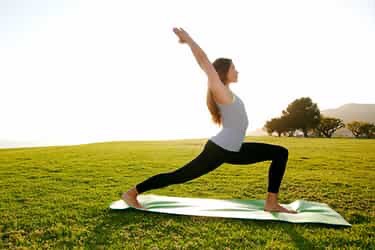
Yoga
7 / 15
This is a form of meditation: You put your body into certain positions that can strengthen and stretch your muscles and other tissues. At the same time, you try to keep your breath calm. It can lower your heart rate and blood pressure, and make you less anxious. But there are some yoga positions you shouldn’t do if you have certain conditions, so talk to your doctor before you start.

Acupuncture
8 / 15
This can help you relax — as long as you don’t get too anxious at the thought of needles. An acupuncturist puts very fine needles into specific points on your body. Sometimes electric stimulation is used as well to ease muscle and nerve tension.

Aromatherapy
9 / 15
Simple smells like lavender, chamomile, and rosewater may help calm you. They come from concentrated oils you can breathe in or rub on your skin. Scientists think they send chemical messages to parts of your brain that affect mood and emotion.

Sleep
12 / 15
It recharges your brain and boosts your mood and focus, and you’re less likely to be anxious if you get enough of it. Block out 7 to 9 hours every day. To get better sleep, go to bed and wake up at the same time. Keep your room cool, dark, and quiet, and don’t watch TV or use the computer right before bed. Regular exercise also can help with sleep, but try to do it in the mornings and afternoons — night workouts can mess with your slumber

Set Priorities
14 / 15
Figure out what you have to do right away and what can wait. A to-do list can help you break up large projects into smaller tasks and keep you focused on what to do next. Ask for help when you need it, and let go of things that aren’t that important

Keep a Journal
15 / 15
This can help you look for patterns and figure out what makes you anxious. Family events? Work? School? Too much caffeine? Maybe it only happens when you’re hungry. When you find yourself worked up, try to write down what you’re doing and thinking. Once you know what’s causing your anxiety, you might be able to manage it better
 Preparando