
You’ll feel grumpy and tired if you don’t get enough sleep on a regular basis, but it can raise your risk of a heart attack, too. In one study, researchers found that people who usually slept fewer than 6 hours a night were twice as likely to have a heart attack as those who slept 6 to 8. Doctors aren’t sure exactly why this is, but they do know that losing sleep can raise your blood pressure and lead to inflammation. Neither of those is good for your heart
2/15
Migraine Headaches

People who get these are more likely to have a heart attack later in life than those who don’t. And ones that include auras — strange sights, sounds, or feelings that start before the headache hits — seem to have a stronger link to heart problems.
3/15
Cold Weather

It’s a shock to the system. Being outside in the winter months can cause your arteries to narrow, making it harder for blood to reach your heart. On top of that, your heart has to work harder to keep your body warm. If you’re concerned about it, play it smart in cold temperatures, and limit heavy physical activity, like snow shoveling.
4/15
Air Pollution and Car Exhaust
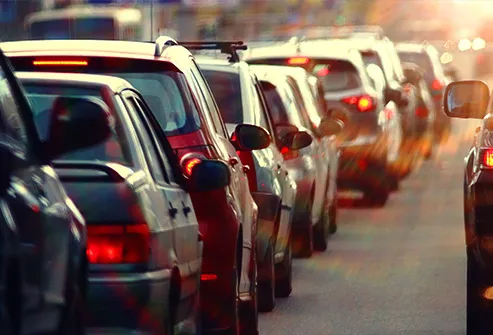
Heart attacks are more common when air pollution levels are high. People who breathe dirty air on a regular basis are more likely to have clogged arteries and heart disease. Sitting in traffic may be especially dangerous, because it can combine car fumes with anger or frustration.
5/15
A Big, Heavy Meal

Think twice before going back for seconds or thirds — it may hurt more than your waistline. When you eat large amounts of food in one sitting, it leads to higher levels of the stress hormone norepinephrine in your body. That can raise your blood pressure and heart rate, and it may trigger heart attacks in some people. Very fatty meals can also cause a sudden jump in a kind of fat in your blood, and that may temporarily damage some blood vessels as well.
6/15
Strong Emotions, Negative or Positive

Anger, grief, and stress are known triggers of heart problems, but joyful events can sometimes lead to a heart attack as well. It can be triggered by the kind of emotions that go along with a surprise birthday party, a wedding, or the birth of a grandchild.
7/15
Sudden or Intense Exertion

Getting in shape will protect your heart in the long run, but doing too much could be dangerous. About 6% of heart attacks are triggered by extreme physical effort. And while you’ve probably heard that exercise is a good way to relieve stress, it’s especially important not to overdo it when you’re angry or upset.
8/15
A Cold or the Flu
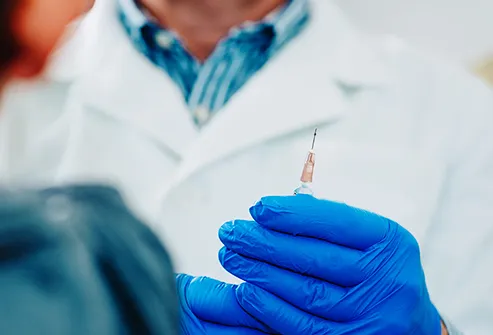
When your immune system fights off a bug, it can cause inflammation that can damage your heart and arteries. In one study, people with respiratory infections were twice as likely to have a heart attack. But their risk level went back to normal after they’d been clear of the infection a few weeks. Heart attack rates are also higher during flu outbreaks — another good reason to get your flu shot.
9/15
Asthma
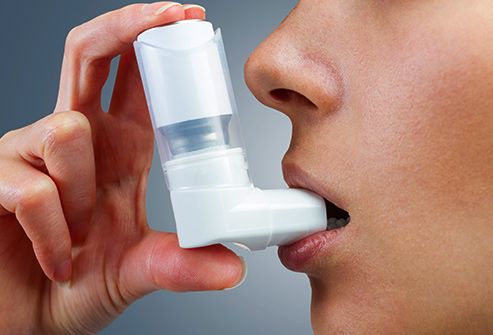
Your chances of having a heart attack go up about 70% if you have this lung disease. Even if you use an inhaler to keep it under control, your risk is still higher than normal. Because of your asthma, you also may tend to ignore chest tightness, which can be an early sign of a heart attack. Doctors don’t know if breathing problems trigger heart attacks or if they simply have a common cause: inflammation.
13/15
Spectator Sports

Playing sports can possibly trigger a heart attack — and watching them can, too. In 2006, heart attacks in Germany spiked during the national team’s World Cup soccer games. And after the 1980 Super Bowl, fatal heart attacks were up in Los Angeles after the Rams lost. But they were down after the 1984 Super Bowl, when the L.A. Raiders won.
10/15
Getting Out of Bed in the Morning
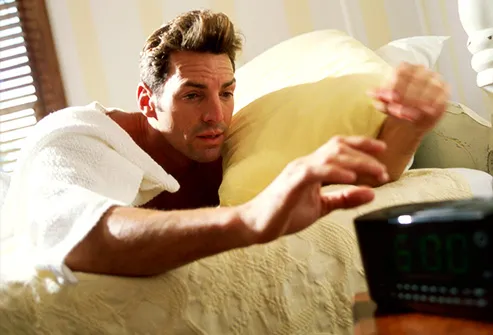
Heart attacks are more common in the morning. Your brain floods your body with hormones to help you wake up, and that puts some extra stress on your heart. You may also be dehydrated after a long sleep, which can make your heart work harder, too.
 Preparando