Ovo cozido
Quais são os benefícios do ovo?
Com certeza você já deve ter visto o ovo sendo listado em algum ranking de ingredientes saudáveis. E não é à toa: é um aliado e tanto para manter o corpo cheio de disposição. Quer ver só?
• Contribui para aumentar a massa muscular, pois é uma fonte de proteínas e vitaminas do complexo B, importantíssimas para fornecer energia;
• Ajuda a memória e concentração, por conta da colina, uma substância presente na gema. Esse aminoácido é importante para essas duas funções do cérebro;
• Auxilia na perda de peso, sendo um alimento rico em proteínas e que ajuda a aumentar a sensação de saciedade;
• Melhora o sistema imunológico, por ser rico em antioxidantes como as vitaminas A, D, E e do complexo B, aminoácidos (triptofano e a tirosina), e minerais (selênio e o zinco);
• Ajuda a reduzir o colesterol ruim e a aumentar o colesterol bom, graças à lecitina, que atua no metabolismo das gorduras;
• Combate a anemia, já que contém ferro, vitamina B12 e ácido fólico;
• Previne o envelhecimento precoce, graças a nutrientes como, por exemplo, selênio, zinco e vitaminas A, D e E, que atuam como antioxidantes.
• Mantém a saúde dos ossos e dos dentes, por conter cálcio e fósforo, prevenindo doenças como a osteoporose e a osteopenia.
E pra quem acredita que ovo engorda e quer saber quantas calorias tem um ovo, não há motivo para se desesperar. Afinal, o alimento traz saciedade e 100g de ovo cozido fornecem 125 calorias. Além disso, nenhum alimento isoladamente tem poder de engordar ou emagrecer. O que vale na alimentação é o todo, certo?

B12
Vitamina B12
Se seu índice estiver com 50 muitos médicos se sentem bem com isso .
Na real o ideal é que sua B12 esteja muito mais do que isso .

Alimentos ricos
Os alimentos ricos em vitaminas servem para manter a pele saudável, o cabelo bonito e o organismo equilibrado, evitando doenças, como anemias, escorbuto, pelagra e até problemas hormonais ou de desenvolvimento.
A melhor forma de ingerir vitaminas é através de uma alimentação colorida porque os alimentos não possuem apenas uma vitamina e esta variedade de nutrientes torna a alimentação mais equilibrada e saudável. Por isso, mesmo ao comer uma laranja, que é rica em Vitamina C, ingere-se também fibras, outras vitaminas e minerais.
Tipos de vitaminas
Exitem dois tipos de vitaminas: as lipossolúveis, como a vitamina A, D, E, K; que estão presentes, principalmente, em alimentos como leite, óleos de peixe, sementes e verduras, como brócolis, por exemplo.
E as outras vitaminas são as vitaminas hidrossolúveis, como as vitaminas do complexo B e a vitamina C, que se encontram em alimentos como fígado, levedo de cerveja e frutas cítricas, por exemplo.
Tabela de alimentos ricos em vitaminas
VitaminaA. Figado, leite, ovos.Integridade da pele e saúde dos olhos.
Vitamina B1 (Tiamina)Carne de porco, castanha-do-pará, aveia.Melhorar a digestão e é um repelente natural contra mosquito.
Vitamina B2 (Riboflavina)Fígado, levedo de cerveja, farelo de aveia.Saúde das unhas, cabelo e pele
Vitamina B3 (Niacina)Levedo de cerveja, fígado, amendoim.Saúde do sistema nervoso
Vitamina B5 (Ácido pantotênico)Massa fresca, fígado, sementes de girassol.
Vitamina B6 (Piridoxina)Fígado, banana, salmão.Prevenir a arterioscleroseBiotinaAmendoim, avelã, farelo de trigo.Metabolismo dos carboidratos e proteínas.
Ácido fólicoFígado, levedo de cerveja, lentilha.Participa da formação das células do sangue, prevenindo anemia e fortalecimento do sistema imunológico.
Vitamina B12 (Cobalamina)Fígado, mariscos, ostras.Formação dos glóbulos vermelhos do sangue e integridade da mucosa gastrointestinal.
Vitamina C Morango, kiwi, laranja.Fortalecer os vasos sanguíneos e acelerar a cicatrização de feridas e queimaduras.Vitamina DÓleo de fígado de bacalhau, óleo de salmão, ostras.Fortalecimento dos ossos
.Vitamina E Óleo de gérmen de trigo, sementes de girassol, avelã.Integridade da pele.
Vitamina K , Couve de Bruxelas, brócolis, couve-flor.Coagulação do sangue, diminuindo o tempo de sangramento de uma ferida.

More Widespread Than You Realize
1 / 14
Fatty liver could be the most common disease you’ve never heard of. At least 1 out of 4 people have it, which is more people than diabetes and arthritis combined. And lots of those who have it may not know they have it — or even what it is. Most times, this liver disease is mild, but it can lead to more serious health problems. Yet you can often control or reverse fatty liver with smart changes to your lifestyle

What Is It?
2 / 14
When too much fat builds up in your liver, that’s fatty liver disease. There are two basic types: nonalcoholic fatty liver disease (NAFLD) and alcoholic fatty liver disease, also called alcoholic steatohepatitis. Sometimes, the extra fat can trigger changes that stop your liver from working well. Since your liver filters toxins out of your blood, that could make you very sick.

Nonalcoholic Fatty Liver Disease
3 / 14
The most common type of fatty liver disease is usually harmless. But some people develop a more severe version called nonalcoholic steatohepatitis (NASH). That’s when your liver gets inflamed, which can lead to cirrhosis (scars on the liver that don’t heal) and a greater chance of liver cancer and heart disease. Experts think NASH is about to become the leading reason for liver transplants.

Who Does NAFLD Affect?
4 / 14
Experts don’t fully understand why some people get it and others don’t. But you’re more likely to if you’re overweight or obese; have diabetes, high cholesterol and triglycerides, high blood pressure, or hepatitis C and other liver infections; or take certain medications, including steroids or drugs for cancer or heart problems. Most people with this type of fatty liver are middle-aged. But the disease can happen to anyone, even kids.

Alcoholic Fatty Liver Disease
5 / 14
People who drink a lot — more than one drink a day for women and two for men — get this type. Being obese or a woman raises your chances, too. So can problems that you’re born with in your genes. This can be the first stage of more serious problems. If you keep drinking, you could go on to have alcoholic hepatitis, cirrhosis, liver failure, and higher odds of liver cancer.

Symptoms
6 / 14
Most of the time, there are none. That’s why so many people who have it don’t realize they do. But some people may feel pain or pressure in the middle or right side of their belly, or be very tired. And sometimes, fatty liver and related problems can make you lose your appetite and lose weight.

Diagnosis
7 / 14
Because it often has no symptoms, doctors can miss fatty liver disease. Typical lab tests may not catch it either.
Special blood tests can check how well your liver works. Your doctor may want to do an ultrasound or CT scan to see how your liver looks. You might need a biopsy: The doctor will use a needle to get a very small sample of your liver to check it for signs of disease.

Treatment
8 / 14
There are treatments for fatty liver disease that have varying success. They include vitamin E, liraglutide (Saxenda, Victoza), semaglutide (Ozempic, Rybelsus, Wegovy), and pioglitazone (Actos).
But you can make lifestyle changes to control the disease – or even make it go away.

Lose Weight
9 / 14
Obesity is the main cause of NAFLD. So if you’re heavy, talk with your doctor to come up with a plan to work off some weight based on healthy eating (with fewer calories) and being more active. A pound or two a week is good — lose too fast, and you can actually make fatty liver disease worse. Dropping just 3% to 5% of your body weight can help.

Exercise
10 / 14
Even if it’s hard for you to exercise enough to help you lose weight, moderate activity — brisk walking for 150 minutes every week — can get rid of some of the fat in your liver.

Don’t Drink
11 / 14
When you have alcoholic fatty liver disease, the most important thing to do is stop drinking. It may not be easy, but the benefits are big, especially if you catch it early — you may be able to completely reverse the damage. If you think you have a problem with alcohol, talk to your doctor.
Cutting out alcohol can help with nonalcoholic fatty liver disease, too.

Take Care of Your Health
12 / 14
Get treatment for related medical conditions, like diabetes and high cholesterol. Ask your doctor if you can stop taking medications that might cause fatty liver disease or switch to different ones. See your doctor (or a liver expert, called a hepatologist) regularly to keep on top of any changes you might need to make to your treatment plan over time.

Be Kind to Your Liver
13 / 14
You may need shots for hepatitis A, hepatitis B, the flu, and pneumococcal disease to protect your liver and keep you healthy. Also, tell your doctor before you start taking any new medicine, vitamin, or supplement. Even over-the-counter drugs can be hard on your liver.

Prevention
14 / 14
The same healthy habits that treat fatty liver can lower your chances of getting it. Exercise regularly. Eat a nutritious diet, with good-for-you fats and lots of veggies, fruits, and whole grains. Limit your alcohol. Work with your doctor to manage your health, and follow directions for any medication you take.
Here’s a nice bonus: These strategies also help you avoid other problems, like obesity, diabetes, and heart disease
Comidas com mais proteinas que o ovo
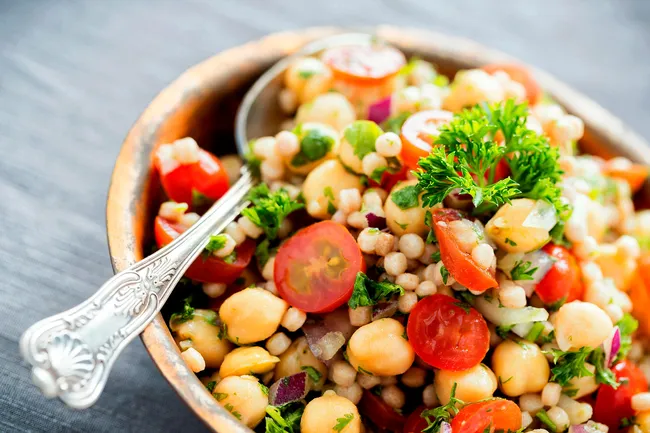
With about 6 grams of protein apiece, eggs are an excellent source of this vital nutrient. But lots of other foods offer as much or more. For example, chickpeas (also known as garbanzo beans) provide nearly 8 grams of protein per 1/2 cup. People have enjoyed them since the days of ancient Egypt. They’re best known these days as the base for hummus. Toss a handful on a salad, or cook them into a hearty soup.
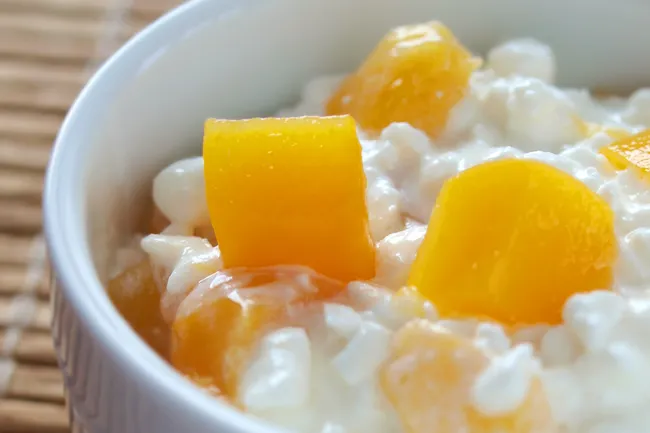
This nutritious source of protein, with nearly 12 grams in a half-cup, plays well with others. That’s because it doesn’t have a strong flavor on its own. Make a healthy snack by pairing cottage cheese with most any kind of fruit. Or use it as a protein-boosting secret ingredient in pancakes. Go with low-fat cottage cheese to keep it healthy
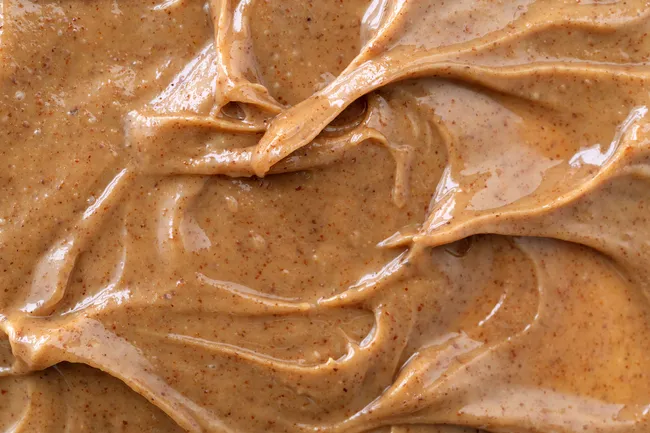
This creamy spread isn’t as well-known as its peanutty cousin. But with 7 grams of protein in 2 tablespoons, it should be. With plenty of heart-healthy fats, it’s a great way to fuel up before a workout. You can even make it at home — all you need is almonds and a blender. Spice it up with cinnamon, nutmeg, vanilla extract, or curry powder if that’s how you roll
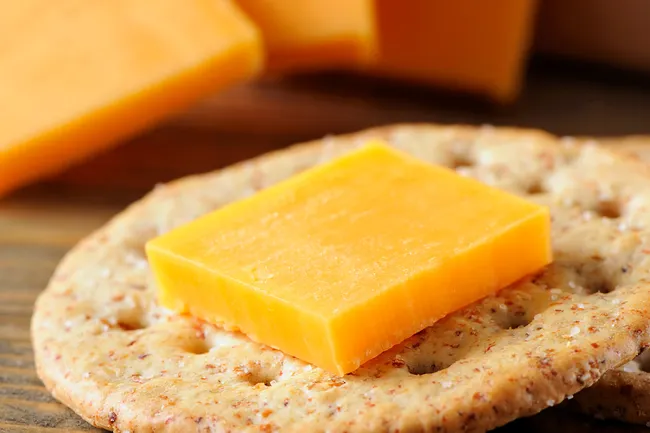
This zingy cheese is loaded with protein — about 7 grams per ounce — as well as other nutrients like calcium, zinc, phosphorus, and vitamins A and B12. But keep your portions small or choose a lower-fat version. The fats found in dairy foods aren’t the heart-healthy type. Cheese can be high in salt, too.
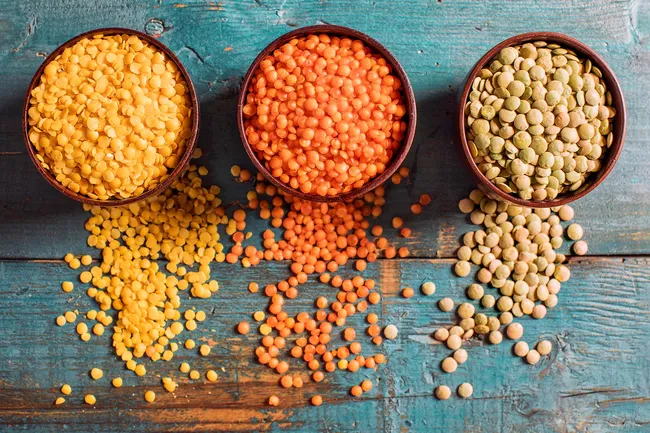
A half-cup of these legumes gives you 8 grams of protein, about as much as you’d get from 1 ounce of lean steak. They come in lots of colors — brown, green, black, yellow, red, and orange. They cook up faster than beans. And you don’t even need to soak them first. Try the brown ones in veggie burgers, the green ones in salads, and the red ones in a spicy curry
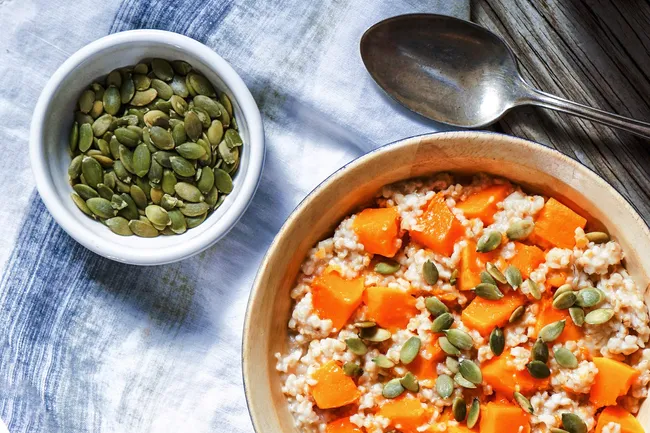
Don’t toss these after you carve the jack-o’-lantern. (An easier route is to buy the already roasted type at the store.) An ounce of shelled ones has 8 1/2 grams of protein. They’re also a good source of zinc, iron, copper, magnesium, potassium, and selenium. Eat a handful with an apple for a filling snack. Or stir them into oatmeal, granola, or homemade bread dough
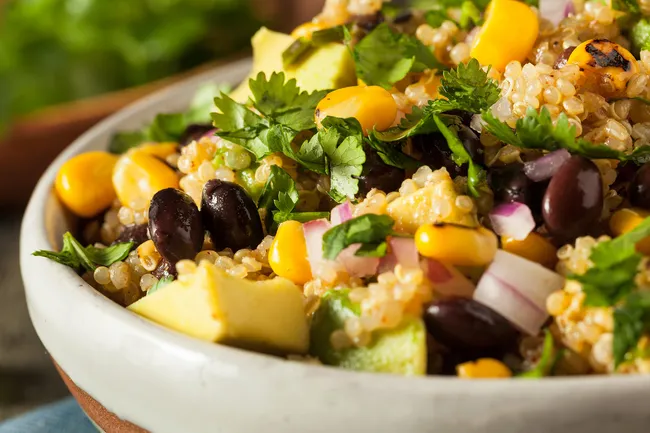
This whole grain (actually an edible seed) packs about 7 1/2 grams of protein per cup. It’s a good source of fiber, too. Naturally gluten-free, quinoa is as easy to prepare as rice. Because it tastes rather bland on its own, add it to salads or grain bowls. You can also eat it as a hot cereal, or even pop it like popcorn.
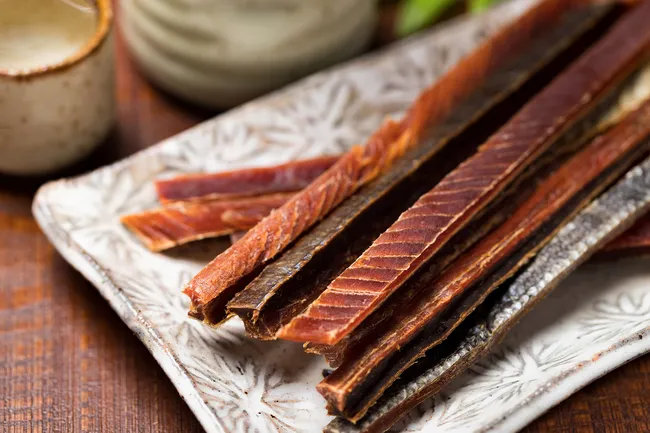
Long known as a backpacking standby, jerky is dried, lean meat. One ounce can have up to 15 grams of protein. Many brands are high in salt, sugar, and additives like nitrate. But some new products are changing jerky’s reputation as junk food. You can find jerky made from turkey, salmon, and even elk and ostrich. Check the label for sodium, sugar, and chemicals. You can make your own as well.

