Morning Habits to Help You Lose Weight

photo of woman's feet on weight scale

Weighing yourself first thing in the morning after you pee is more accurate than checking later in the day. What you eat and drink later on can change the results. That visual reminder of your weight each morning can help you stick to your healthy eating plan the rest of the day or week.

photo of woman drinking water

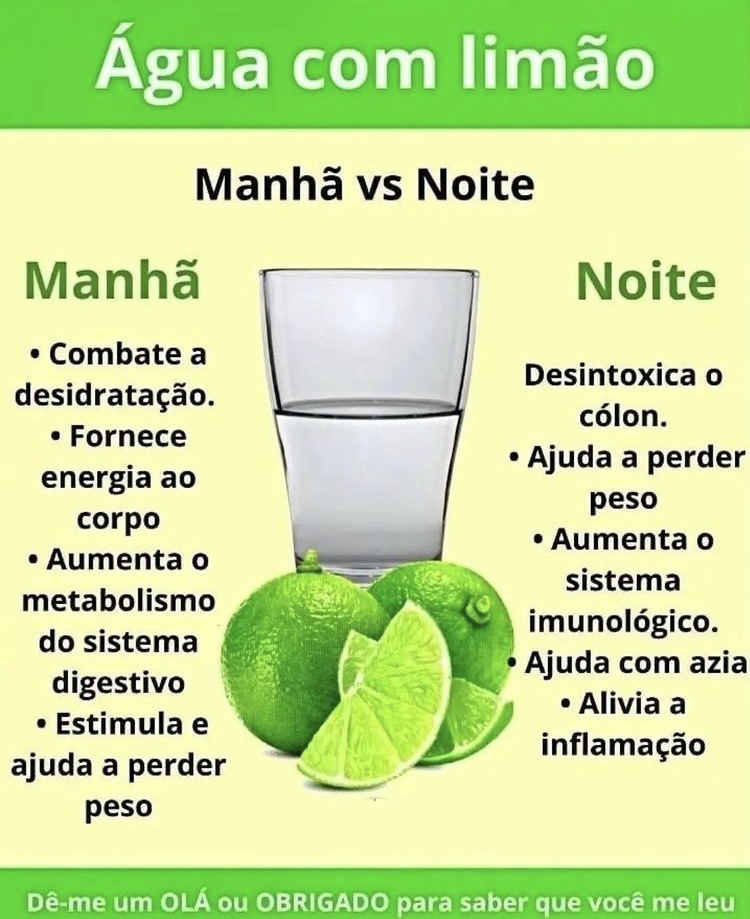
One or two glasses of plain H2O before you eat breakfast may help you lose weight. Water has no calories, but it’s satisfying and curbs your appetite, so you may not want to eat such a big breakfast afterward. It also stimulates your metabolism to help you burn calories.

photo of man taking morning jog

Do some moderate exercise before you sit down to eat in the mornings. Working out on an empty stomach actually helps you get better results from exercise. Prebreakfast sweat sessions can help you burn more of your body’s fat for fuel.

photo of peanut butter banana smoothie

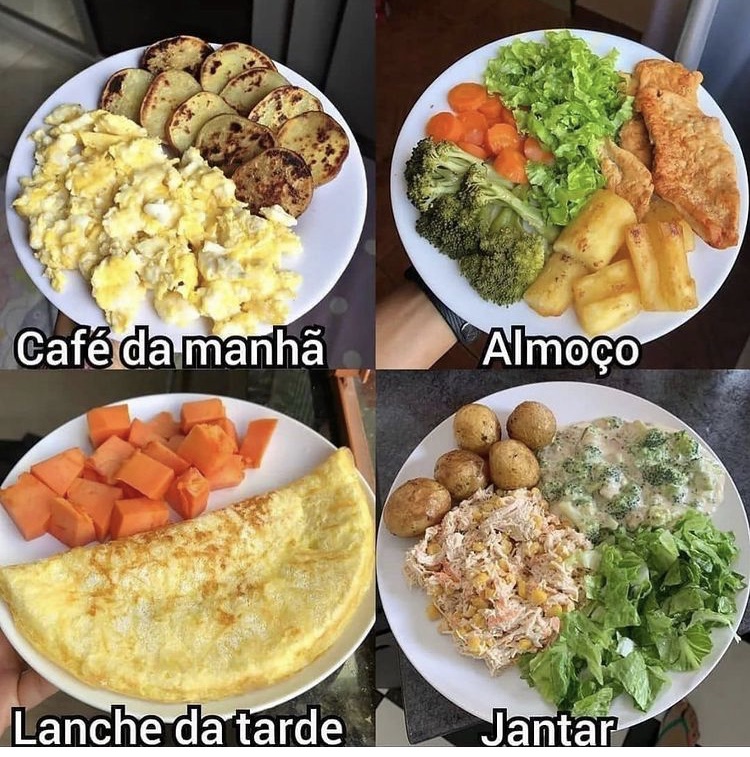
This nutrient may help you lose weight because it makes you feel fuller longer after you eat. It’s also harder for your body to store it as excess fat. Another perk of protein: Your body uses more calories to break it down than it uses for carbs or fat. Go for protein-rich breakfasts, such as an egg and turkey sausage on whole wheat toast or a Greek yogurt smoothie with peanut butter and berries.

photo of woman making meal plan

Every morning, write up a quick list of what you’ll eat that day. Planning meals ahead of time can help you choose lower-calorie foods. If you’ve already decided what to eat for your day’s snacks and meals, you may be less likely to reach for high-calorie convenience foods like fast-food burgers or fries.

photo of woman enjoying morning sun

Some sunlight on your skin can actually help you burn a little bit more body fat. Research shows that people who soak up a few rays in the morning tend to have a lower body-mass index (BMI), or a leaner, slimmer physique, than people who step out in the sun later in the day.

photo of measuring cups and spoons

It’s easy to supersize portions that pack more calories than you need without even knowing it. Keep measuring cups and spoons where you typically dish out breakfast. Measure foods like cereal or milk before you place them in the bowl so you serve yourself the right amount.

photo of man enjoying mindful breakfast

Slow down and think about what you’re eating. Appreciate the smell, look, and taste of even a simple breakfast. Don’t watch TV or scroll through social media when you eat in the morning: just breathe, relax, and enjoy a peaceful meal. This practice could help you eat less and lose weight.

photo of glass of orange juice on countertop

Most standard drinking glasses are far larger than a serving of juice. That makes it easy to consume more than you should. And many fruit juices have as much sugar in them as a can of soda. But they also have lots of vitamins and minerals that are great for you as you start your day. To pour a more sensible portion, use a small juice glass.

photo of mature woman drinking coffee

Do you have your dessert in your coffee cup each morning? Specialty coffees with lots of added sugar, cream, or flavored syrups can add up to more than 500 calories each. Use skim milk or sugar-free flavors instead. Or try green tea for a morning jolt. It has catechins, nutrients that may promote weight loss.

FERRO – como conseguir

O ferro é um mineral importante para formação de células sanguíneas e ajuda no transporte do oxigênio. Assim, quando existe uma carência de ferro, a pessoa apresenta sintomas como cansaço, fraqueza, falta de energia e dificuldade de concentração. 

Este mineral é importante em todas as fases da vida e deve ser consumido com frequência, mas é preciso aumentar seu consumo durante a gravidez e na terceira idade, momentos em que existe uma maior necessidade maior de ferro no organismo. Bons exemplos de alimentos ricos em ferro, são as carnes vermelhas, o feijão preto, e o pão de cevada, por exemplo.

O ferro presente nos alimentos de fonte animal, apresentam uma absorção de ferro ao nível intestinal entre 20 a 30% do total do mineral ingerido. Enquanto que o ferro presente nos alimentos de origem vegetal permitem uma absorção em torno de 5% do total de ferro que possuem em sua composição. Por esse motivo é importante consumir-los junto aos alimentos ricos em vitamina C, como laranja, abacaxi, morangos e pimentão, porque favorece a absorção deste mineral ao nível intestinal.

Existem 2 tipos de ferro, o ferro heme: presente na carne vermelha, e o ferro não-heme presente nos vegetais. O ferro presente nas carnes é melhor absorvido, enquanto que o ferro dos vegetais precisa do consumo de uma fonte de vitamina C para ter uma melhor absorção.

Principais alimentos ricos em ferro

A tabela a seguir indica a quantidade de ferro em 100 gramas de alimentos de origem vegetal:AlimentoQuantidade de ferro (em 100g)Sementes de abóbora14,9 mgPistacho6,8 mgCacau em pó5,8 mgDamasco seco5,8 mgTofu5,4 mgSementes de girassol5,1 mgUva passa4,8 mgCoco seco3,6 mgNoz2,6 mgFeijão branco cozido 2,5 mgEspinafres crús2,4 mgAmendoim2,2 mgGrão-de-bico cozido2,1 mg

Feijão preto cozido1,5 mg

Como baixar os triglicerídeos?

Why Triglycerides Matter

2 / 16 

High triglycerides can be part of an unhealthy condition called metabolic syndrome. Other parts of this illness can include:

  • Low HDL “good” cholesterol
  • High blood pressure
  • Belly fat
  • High blood sugar

Metabolic syndrome greatly increases your chances of developing heart disease, stroke, and diabetes.

When Triglycerides Inch Up

1 / 16 

Maybe you’ve put on a few extra pounds. Now your yearly blood work comes back showing high triglycerides. These fats are an important source of energy in your body, but at high levels they can hurt your heart. Like cholesterol, triglyceride troubles can lead to clogged arteries and possibly to a heart attack or stroke. Luckily, there are many ways to lower your triglycerides.

Look at How You Eat

3 / 16 

That creamy latte, grilled cheese sandwich, or scoop of ice cream before bed can all lead to high triglycerides. If you often eat more calories than you burn – like many of us do – your triglycerides may start to inch up. The worst offenders are sugary foods and foods high in saturated fat, like cheese, whole milk, and red meat.

Say No to Sugar

4 / 16 

If you have high triglycerides, get your sweet tooth in check. Simple sugars, especially fructose (a sugar often found in fruit), raise triglycerides. Watch out for foods made with added sugar, including soda, baked goodies, candy, most breakfast cereals, flavored yogurt, and ice cream.

Uncover Hidden Sugar

5 / 16 

Learn to spot added sugars on food labels. Words to look for include brown sugar, corn syrup, words ending in “ose” (dextrose, fructose, glucose, lactose, maltose, sucrose), fruit juice concentrates, cane syrup, cane sugar, honey, malt sugar, molasses, and raw sugar.

Focus on Fiber

6 / 16 

Swap out foods made with refined white flour, and bring on the whole grains. You’ll eat more fiber, which helps lower your triglycerides. For breakfast, have a bowl of steel-cut oats with berries instead of a bagel or sweet cereal. At lunchtime, try a salad loaded with veggies and garbanzo beans. Choose brown rice or quinoa at dinner instead of potatoes or pasta

Eat the Right Fat

7 / 16 

A little fat is good for you, when it’s the healthy kind. Choose foods that naturally contain mono- and polyunsaturated fats: avocados, walnuts, chicken without the skin, canola oil, and olive oil. Avoid trans fats, which are found in many processed foods, French fries, crackers, cakes, chips, and stick margarine. Don’t eat much saturated fat, found in red meat, ice cream, cheese, and buttery baked goods.

Choose Fish Instead of Red Meat

8 / 16 

The same omega-3 fats that are good for your heart can help lower your triglycerides, too. Next time you eat out, get the fish instead of a burger or steak. Eat fish at least twice a week. Salmon, mackerel, herring, lake trout, albacore tuna, and sardines are all high in omega-3s.

Eat Your Nuts and Greens

9 / 16 

Other good sources of omega-3s:

  • Walnuts
  • Flaxseeds
  • Spinach
  • Kale
  • Brussels sprouts
  • Salad greens
  • Beans

Do You Need an Omega-3 Supplement?

10 / 16 

Ask your doctor. Capsules can give you a concentrated amount of omega-3s, but not everyone needs them. You may be able to lower triglycerides by making healthier choices in your life. And high doses of omega-3s can cause bleeding in some people. If your doctor says it’s OK, look for capsules with EPA and DHA, two powerful types of omega-3

Skip the Sweet Drinks

12 / 16 

One of the easiest things you can do to lower your triglycerides is to cut out sweetened drinks. Sodas and other sugary drinks are packed with fructose, a known offender when it comes to boosting triglycerides. Drink no more than 36 ounces of sweet sippers per week — that means three 12-ounce cans of soda

Lose Weight

13 / 16 

Extra weight, particularly around your waist, raises triglycerides. One of the biggest things you can do to bring your levels down is to take it off. It doesn’t have to be dramatic, either

Get Moving

14 / 16 

If you’re carrying around a few extra pounds, starting regular workouts can get you in shape and lower your triglycerides at the same time. Aim for 30 minutes of exercise five days a week, and be sure to break a sweat and get your heart pumping. You can cut your triglycerides by 20% to 30%. If you’re new to exercise, try a dance class, go for a swim, or take a brisk walk each day.

Get a Checkup

15 / 16 

A simple blood test can spot high triglycerides. Your doctor may also look for related health problems. These include kidney disease, a slow thyroid gland, diabetes, and obesity.  Here’s how triglyceride test numbers stack up:

  • Normal – Less than 150 mg/dL
  • Borderline – 150-199 mg/dL
  • High – 200-499 mg/dL
  • Very high – 500mg/dL and up [1

When Habits Need a Helping Hand

16 / 16 

If lifestyle changes haven’t helped enough, your doctor may suggest adding a prescription medicine. Fibrates, niacin, statins, and high-dose fish oil are a few of the options. Your doctor will look at all your blood fats — triglycerides and all types of cholesterol — to decide the best way to protect your heart

Algumas dicas para aliviar a dor com analgésicos naturais

1. Chá de gengibre

11 remédios caseiros para artrite reumatóide e como fazer

O gengibre, cientificamente chamado de Zingiber officinalis, possui compostos fenólicos como o gingerol, chogaol e zingerona que têm propriedades antioxidantes, anti-inflamatórias e imunomoduladoras, sendo muito úteis para aliviar os sintomas como dor, inchaço e vermelhidão nas articulações. Conheça outros benefícios do gengibre.

Ingredientes

  • 1 cm da raiz de gengibre cortada em rodela ou ralada;
  • 1 litro de água fervente.

2. Chá de salgueiro branco

11 remédios caseiros para artrite reumatóide e como fazer

O salgueiro branco, conhecido cientificamente como Salix alba, tem propriedades analgésicas e anti-inflamatórias devido à presença de salicina, que é uma substância semelhante ao ingrediente principal da aspirina. Por isso, o chá da casca desta planta pode ser uma boa opção para aliviar a dor na articulação causada pela artrite reumatóide.

Ingredientes

  • 2 colher (de chá) de cascas de salgueiro branco;
  • 2 xícaras de água.

Modo de preparo

Colocar a água para ferver e adicionar a casca de salgueiro. Deixar ferver por 10 minutos, coar e beber até 2 xícaras por dia.

Este chá não deve ser consumido por crianças, por mulheres grávidas ou em amamentação, por pessoas que têm alergia à aspirina ou que estejam usando anticoagulantes. Além disso, o uso do chá de casca de salgueiro branco não é indicado para pessoas com problemas gastrointestinais, como úlceras, gastrite, refluxo gastroesofágico, colite ou diverticulite.

3. Chá de cúrcuma

11 remédios caseiros para artrite reumatóide e como fazer

O chá de cúrcuma, também chamado de açafrão, é rico em curcumina, uma substância com propriedades anti-inflamatórias, imunomoduladoras, e protetoras das cartilagens, que age diminuindo os sintomas de dor, inchaço, vermelhidão, além de diminuir a destruição do revestimento das articulações pelo sistema imunológico e aumentar a proteção das cartilagens das articulações, sendo um ótimo remédio caseiro para artrite reumatóide.

Ingredientes

  • 1 colher rasa (de chá) de cúrcuma em pó (200 mg);
  • 1 xícara de água.

Modo de preparo

Colocar a água para ferver e adicionar cúrcuma. Deixar ferver por 5 a 10 minutos. Coar o chá e beber. Pode-se beber de 2 a 3 xícaras de chá de cúrcuma por dia.

Outra opção é consumir a cúrcuma na forma de cápsulas, que pode ser usada tomando 2 cápsulas de 250 mg a cada 12 horas, totalizando 1 g por dia.

4. Chá de alcaçuz

11 remédios caseiros para artrite reumatóide e como fazer

O chá alcaçuz possui glicirrizina e ácido glicirretínico na sua composição, que são substâncias anti-inflamatórias, que agem reduzindo a inflamação das articulações e os sintomas como dor, inchaço, sensibilidade e vermelhidão, sendo uma ótima opção de remédio caseiro para artrite reumatoide.

Ingredientes

  • 1 colher de chá de raiz de alcaçuz;
  • 1 xícara de água fervente;
  • Mel para adoçar a gosto.

Modo de preparo

Adicionar o alcaçuz na xícara com água fervente, tampar e deixar repousar por 10 minutos. Coar e adoçar com mel se desejar. Beber este chá até 2 vezes ao dia.

O chá de alcaçuz não deve ser consumido por mulheres grávidas ou em amamentação e por pessoas com problemas cardíacos.

5. Chá de unha de gato

11 remédios caseiros para artrite reumatóide e como fazer

O chá de unha de gato possui propriedades anti-inflamatórias que ajudam a reduzir a dor e o inchaço nas articulações, além de regular o sistema imunológico, sendo outra boa opção de remédio caseiro para artrite reumatóide.

Este chá é ótimo contra artrite reumatoide porque regula a ativação do sistema imunológico.

Ingredientes

  • 20g de cascas e raízes de unha de gato;
  • 1 litro de água.

Gatilhos para um Infarto

good sleep

You’ll feel grumpy and tired if you don’t get enough sleep on a regular basis, but it can raise your risk of a heart attack, too. In one study, researchers found that people who usually slept fewer than 6 hours a night were twice as likely to have a heart attack as those who slept 6 to 8. Doctors aren’t sure exactly why this is, but they do know that losing sleep can raise your blood pressure and lead to inflammation. Neither of those is good for your heart

2/15

Migraine Headaches

Woman having migraine

People who get these are more likely to have a heart attack later in life than those who don’t. And ones that include auras — strange sights, sounds, or feelings that start before the headache hits — seem to have a stronger link to heart problems.

3/15

Cold Weather

shoveling snow

It’s a shock to the system. Being outside in the winter months can cause your arteries to narrow, making it harder for blood to reach your heart. On top of that, your heart has to work harder to keep your body warm. If you’re concerned about it, play it smart in cold temperatures, and limit heavy physical activity, like snow shoveling.

4/15

Air Pollution and Car Exhaust

traffic jam

Heart attacks are more common when air pollution levels are high. People who breathe dirty air on a regular basis are more likely to have clogged arteries and heart disease. Sitting in traffic may be especially dangerous, because it can combine car fumes with anger or frustration.

5/15

A Big, Heavy Meal

full plate

Think twice before going back for seconds or thirds — it may hurt more than your waistline. When you eat large amounts of food in one sitting, it leads to higher levels of the stress hormone norepinephrine in your body. That can raise your blood pressure and heart rate, and it may trigger heart attacks in some people. Very fatty meals can also cause a sudden jump in a kind of fat in your blood, and that may temporarily damage some blood vessels as well.

6/15

Strong Emotions, Negative or Positive

dad holding baby

Anger, grief, and stress are known triggers of heart problems, but joyful events can sometimes lead to a heart attack as well. It can be triggered by the kind of emotions that go along with a surprise birthday party, a wedding, or the birth of a grandchild.

7/15

Sudden or Intense Exertion

men lifting dumbells

Getting in shape will protect your heart in the long run, but doing too much could be dangerous. About 6% of heart attacks are triggered by extreme physical effort. And while you’ve probably heard that exercise is a good way to relieve stress, it’s especially important not to overdo it when you’re angry or upset.

8/15

A Cold or the Flu

Flu shot

When your immune system fights off a bug, it can cause inflammation that can damage your heart and arteries. In one study, people with respiratory infections were twice as likely to have a heart attack. But their risk level went back to normal after they’d been clear of the infection a few weeks. Heart attack rates are also higher during flu outbreaks — another good reason to get your flu shot.

9/15

Asthma

Using inhaler

Your chances of having a heart attack go up about 70% if you have this lung disease. Even if you use an inhaler to keep it under control, your risk is still higher than normal. Because of your asthma, you also may tend to ignore chest tightness, which can be an early sign of a heart attack. Doctors don’t know if breathing problems trigger heart attacks or if they simply have a common cause: inflammation.

13/15

Spectator Sports

sports fans

Playing sports can possibly trigger a heart attack — and watching them can, too. In 2006, heart attacks in Germany spiked during the national team’s World Cup soccer games. And after the 1980 Super Bowl, fatal heart attacks were up in Los Angeles after the Rams lost. But they were down after the 1984 Super Bowl, when the L.A. Raiders won.

10/15

Getting Out of Bed in the Morning

reaching for clock

Heart attacks are more common in the morning. Your brain floods your body with hormones to help you wake up, and that puts some extra stress on your heart. You may also be dehydrated after a long sleep, which can make your heart work harder, too.

Depressão

Slideshow: Physical Symptoms of Depression

Medically Reviewed by Smitha Bhandari, MD on September 11, 2019 

Sleep Problems

1 / 11 

Depression can affect your body as well as your mind. Trouble falling or staying asleep is common in people who are depressed. But some may find that they get too much shut-eye.

Chest Pain

2 / 11 

It can be a sign of heart, lung, or stomach problems, so see your doctor to rule out those causes. Sometimes, though, it’s a symptom of depression.

Depression can also raise your risk of heart disease. Plus, people who’ve had heart attacks are more likely to be depressed.

Fatigue and Exhaustion

3 / 11 

If you feel so tired that you don’t have energy for everyday tasks — even when you sleep or rest a lot — it may be a sign that you’re depressed. Depression and fatigue together tend to make both conditions seem worse

Aching Muscles and Joints

4 / 11 

When you live with ongoing pain it can raise your risk of depression.

Depression may also lead to pain because the two conditions share chemical messengers in the brain. People who are depressed are three times as likely to get regular pain

Digestive Problems

5 / 11 

Our brains and digestive systems are strongly connected, which is why many of us get stomachaches or nausea when we’re stressed or worried.

Depression can get you in your gut too — causing nausea, indigestion, diarrhea, or constipation.

Headaches

6 / 11 

One study shows that people with major depression are three times more likely to have migraines, and people with migraines are five times more likely to get depressed

Changes in Appetite or Weight

7 / 11 

Some people feel less hungry when they get depressed. Others can’t stop eating. The result can be weight gain or loss, along with lack of energy.

Depression has been linked to eating disorders like bulimia, anorexia, or binge eating

Back Pain

8 / 11 

When it hurts you there on a regular basis, it may contribute to depression. And people who are depressed may be four times more likely to get intense, disabling neck or back pain

Agitated and Restless

9 / 11 

Sleep problems or other depression symptoms can make you feel this way. Men are more likely than women to be irritable when they’re depressed.

Bons Hábitos para o coração

1. You Bank on Your Workout

1 / 8 

Do you exercise? That’s great. But if you sit down for most of the rest of your day, that’s a problem. You need to be active all day long. Little bursts count. If you have a desk job, take a short walk every hour to boost your circulation, even if it’s just to your break room

2. You Say ‘I’m Too Young’

2 / 8 

Don’t wait to work on keeping your heart healthy. Exercise, eat a healthy diet, and know your numbers — blood pressure, cholesterol, and blood sugar. The ideal time to do your heart a favor is now.

4. You Dis a Good-for-You Diet

4 / 8 

You may think it’s going to be all oat bran, all the time. Surprise! There’s no reason for your food to be bland and boring. A Mediterranean-style diet has delicious foods like olive oil, nuts, fruit, whole grains, fish, lean protein, and red wine. It helps keep your heart healthy, thanks to the “good” fats, fiber, and nutrients. Plus, you’ll actually want to stick to this diet because it tastes so good!

5. You Don’t Know Your Numbers

5 / 8 

Pop quiz: What’s your cholesterol level? How about your blood pressure? No clue? That’s risky. They could be too high without you knowing. (You could feel just fine and have high cholesterol or high blood pressure.) So protect yourself. Starting at age 20, make sure you see your doctor regularly and create a plan to check and track your numbers.

6. Waist Not

6 / 8 

Belly fat is particularly bad for your heart. So get your tape measure and size up the inches around your waist. It’s a red flag if it’s more than 35 inches around for women or 40 inches for men. Need to slim down? Take it step by step. Even losing a small amount of weight is good for your heart

7. You Ignore Your Blues

7 / 8 

When you feel low, it’s hard to do things that are good for you, like exercise. If you have felt down for more than a few weeks, talk to your doctor or a mental health professional. Talk therapy, exercise, and medication (if needed) can improve your mood so you have more energy to take care of yourself

Restaurant Food

1 / 12 

The shrimp fried rice at your favorite spot might be amazing, but it’s likely full of sodium. Research suggests most of the sodium in U.S. diets comes from restaurant and packaged foods. Look for low-sodium menu options or ask the chef to make your meal without salt. Try other flavors instead, like lemon juice on fish and veggies. Most adults should eat no more than 2,300 milligrams of sodium a day. That’s one teaspoon

Frozen Meals

2 / 12 

They’re fast and convenient. But they’re also loaded with sodium, so it’s best to avoid them. If you need something quick every once in a while, look for options with 600 milligrams of sodium or less

Salty Snacks

3 / 12 

Most chips, crackers, and popcorn are high in sodium. For instance, a 1-ounce serving of plain potato chips has about 50-200 milligrams. Try low- or no-sodium nuts, seeds, chips, or pretzels when cravings hit. Or try fresh carrots or celery sticks for a satisfying crunch

Best and Worst Late-Night Snacks for Your Health

It might look tempting, but anything that’s too greasy can cause heartburn, especially if you lie down soon after indulging. A snack that has fewer than 200 calories is a much safer bet.

Best: Half a Turkey Sandwich

When you want something to fill you up, half a sandwich on whole wheat bread is a good pick. Your body digests whole grains more slowly so you’ll feel satisfied longer. And turkey has tryptophan, an amino acid that helps to make you sleepy. If you’re not into turkey, try peanut or almond butter on whole wheat toast. Nut butter has healthy fats that raise your levels of serotonin, a feel-good mood chemical that helps you relax.

Worst: Bean and Cheese Burrito

Chowing down on something fatty and spicy isn’t a great idea close to bedtime. Not only could you end up with heartburn, but you might also have lots of uncomfortable gas thanks to the beans (which would be a healthy add-in earlier in the evening).

Best: Whole-Grain Crackers With Cheese

If you’re craving something cheesy, try a small amount with a few whole-grain crackers. Or go for a scoop of cottage cheese, which also has tryptophan.

Worst: Chips

The fat and salt are a bad combo, especially as bedtime nears. Plus, it’s easy to have too many, so what starts out as a small treat could turn into a binge that’s bad for your mood and your waistline

Alimentos ricos em colágeno

Fontes de uma das proteínas mais abundantes do organismo, os alimentos ricos em colágeno são essenciais para manter a saúde da pele! Para quem não sabe, a substância é responsável por ajudar a formar cartilagens, ligamentos, ossos e tendões e melhorar a elasticidade da pele, evitando o desenvolvimento de rugas, estrias e celulites. Para saber quais são as principais fontes de colágeno e montar um cardápio rico na substância, continue lendo a matéria!