Depressão

Slideshow: Physical Symptoms of Depression

Medically Reviewed by Smitha Bhandari, MD on September 11, 2019 

Sleep Problems

1 / 11 

Depression can affect your body as well as your mind. Trouble falling or staying asleep is common in people who are depressed. But some may find that they get too much shut-eye.

Chest Pain

2 / 11 

It can be a sign of heart, lung, or stomach problems, so see your doctor to rule out those causes. Sometimes, though, it’s a symptom of depression.

Depression can also raise your risk of heart disease. Plus, people who’ve had heart attacks are more likely to be depressed.

Fatigue and Exhaustion

3 / 11 

If you feel so tired that you don’t have energy for everyday tasks — even when you sleep or rest a lot — it may be a sign that you’re depressed. Depression and fatigue together tend to make both conditions seem worse

Aching Muscles and Joints

4 / 11 

When you live with ongoing pain it can raise your risk of depression.

Depression may also lead to pain because the two conditions share chemical messengers in the brain. People who are depressed are three times as likely to get regular pain

Digestive Problems

5 / 11 

Our brains and digestive systems are strongly connected, which is why many of us get stomachaches or nausea when we’re stressed or worried.

Depression can get you in your gut too — causing nausea, indigestion, diarrhea, or constipation.

Headaches

6 / 11 

One study shows that people with major depression are three times more likely to have migraines, and people with migraines are five times more likely to get depressed

Changes in Appetite or Weight

7 / 11 

Some people feel less hungry when they get depressed. Others can’t stop eating. The result can be weight gain or loss, along with lack of energy.

Depression has been linked to eating disorders like bulimia, anorexia, or binge eating

Back Pain

8 / 11 

When it hurts you there on a regular basis, it may contribute to depression. And people who are depressed may be four times more likely to get intense, disabling neck or back pain

Agitated and Restless

9 / 11 

Sleep problems or other depression symptoms can make you feel this way. Men are more likely than women to be irritable when they’re depressed.

Bons Hábitos para o coração

1. You Bank on Your Workout

1 / 8 

Do you exercise? That’s great. But if you sit down for most of the rest of your day, that’s a problem. You need to be active all day long. Little bursts count. If you have a desk job, take a short walk every hour to boost your circulation, even if it’s just to your break room

2. You Say ‘I’m Too Young’

2 / 8 

Don’t wait to work on keeping your heart healthy. Exercise, eat a healthy diet, and know your numbers — blood pressure, cholesterol, and blood sugar. The ideal time to do your heart a favor is now.

4. You Dis a Good-for-You Diet

4 / 8 

You may think it’s going to be all oat bran, all the time. Surprise! There’s no reason for your food to be bland and boring. A Mediterranean-style diet has delicious foods like olive oil, nuts, fruit, whole grains, fish, lean protein, and red wine. It helps keep your heart healthy, thanks to the “good” fats, fiber, and nutrients. Plus, you’ll actually want to stick to this diet because it tastes so good!

5. You Don’t Know Your Numbers

5 / 8 

Pop quiz: What’s your cholesterol level? How about your blood pressure? No clue? That’s risky. They could be too high without you knowing. (You could feel just fine and have high cholesterol or high blood pressure.) So protect yourself. Starting at age 20, make sure you see your doctor regularly and create a plan to check and track your numbers.

6. Waist Not

6 / 8 

Belly fat is particularly bad for your heart. So get your tape measure and size up the inches around your waist. It’s a red flag if it’s more than 35 inches around for women or 40 inches for men. Need to slim down? Take it step by step. Even losing a small amount of weight is good for your heart

7. You Ignore Your Blues

7 / 8 

When you feel low, it’s hard to do things that are good for you, like exercise. If you have felt down for more than a few weeks, talk to your doctor or a mental health professional. Talk therapy, exercise, and medication (if needed) can improve your mood so you have more energy to take care of yourself

Restaurant Food

1 / 12 

The shrimp fried rice at your favorite spot might be amazing, but it’s likely full of sodium. Research suggests most of the sodium in U.S. diets comes from restaurant and packaged foods. Look for low-sodium menu options or ask the chef to make your meal without salt. Try other flavors instead, like lemon juice on fish and veggies. Most adults should eat no more than 2,300 milligrams of sodium a day. That’s one teaspoon

Frozen Meals

2 / 12 

They’re fast and convenient. But they’re also loaded with sodium, so it’s best to avoid them. If you need something quick every once in a while, look for options with 600 milligrams of sodium or less

Salty Snacks

3 / 12 

Most chips, crackers, and popcorn are high in sodium. For instance, a 1-ounce serving of plain potato chips has about 50-200 milligrams. Try low- or no-sodium nuts, seeds, chips, or pretzels when cravings hit. Or try fresh carrots or celery sticks for a satisfying crunch

Best and Worst Late-Night Snacks for Your Health

It might look tempting, but anything that’s too greasy can cause heartburn, especially if you lie down soon after indulging. A snack that has fewer than 200 calories is a much safer bet.

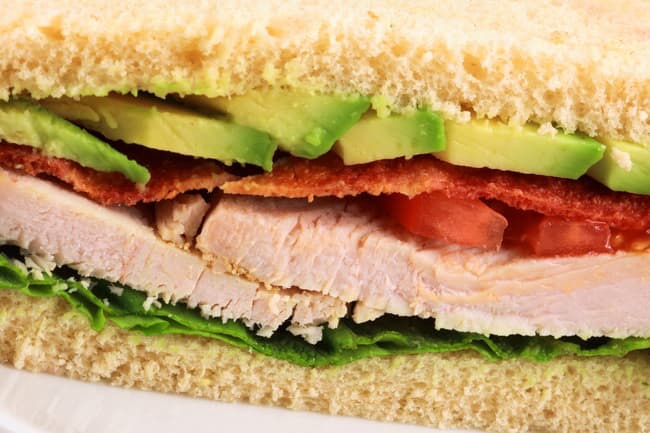
Best: Half a Turkey Sandwich

When you want something to fill you up, half a sandwich on whole wheat bread is a good pick. Your body digests whole grains more slowly so you’ll feel satisfied longer. And turkey has tryptophan, an amino acid that helps to make you sleepy. If you’re not into turkey, try peanut or almond butter on whole wheat toast. Nut butter has healthy fats that raise your levels of serotonin, a feel-good mood chemical that helps you relax.

Worst: Bean and Cheese Burrito

Chowing down on something fatty and spicy isn’t a great idea close to bedtime. Not only could you end up with heartburn, but you might also have lots of uncomfortable gas thanks to the beans (which would be a healthy add-in earlier in the evening).

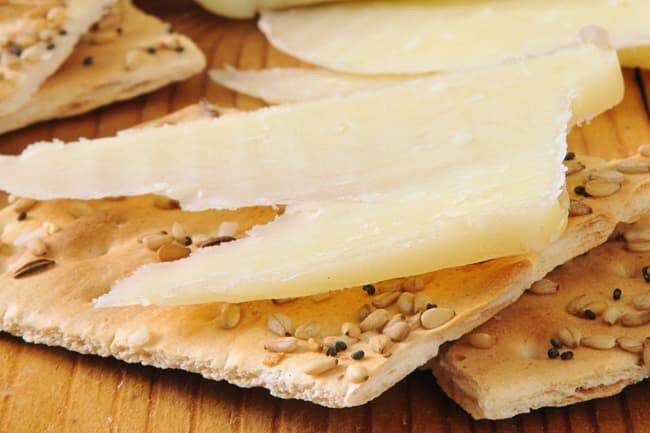
Best: Whole-Grain Crackers With Cheese

If you’re craving something cheesy, try a small amount with a few whole-grain crackers. Or go for a scoop of cottage cheese, which also has tryptophan.

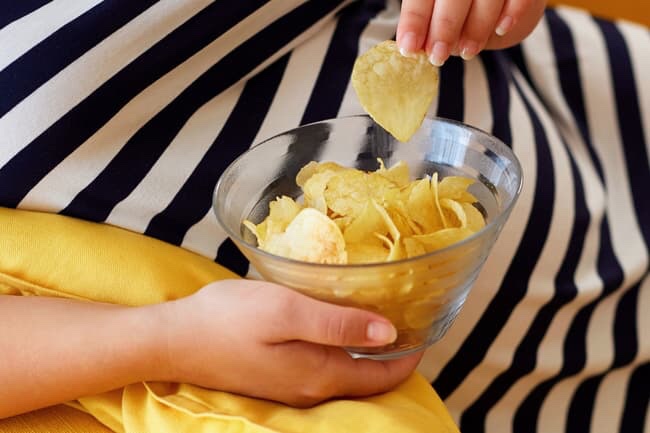
Worst: Chips

The fat and salt are a bad combo, especially as bedtime nears. Plus, it’s easy to have too many, so what starts out as a small treat could turn into a binge that’s bad for your mood and your waistline

Alimentos ricos em colágeno

Fontes de uma das proteínas mais abundantes do organismo, os alimentos ricos em colágeno são essenciais para manter a saúde da pele! Para quem não sabe, a substância é responsável por ajudar a formar cartilagens, ligamentos, ossos e tendões e melhorar a elasticidade da pele, evitando o desenvolvimento de rugas, estrias e celulites. Para saber quais são as principais fontes de colágeno e montar um cardápio rico na substância, continue lendo a matéria!

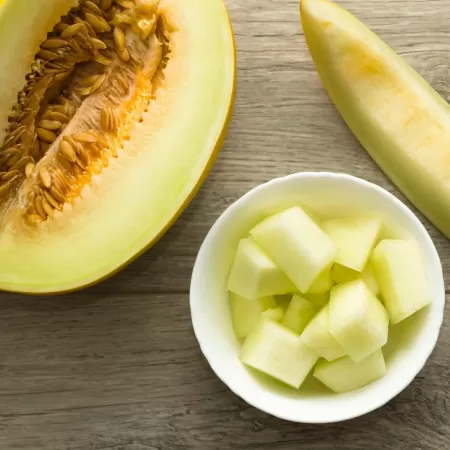
Melão

iStock

“O melão tem muitos nutrientes incluindo cálcio, vitamina C, vitamina A e as vitaminas do Complexo B, que dão muita energia. Uma atenção para o potássio que é importante para diminuir a pressão arterial”, explicou Karin.

Ela explica que quanto mais madura a fruta maior a concentração de substâncias ativas. O melão é muito rico em bioflavonóides , que são excelentes fontes de antioxidantes e anti-inflamatórios. A fruta também tem muitos carotenóides, que diminuem os riscos de várias doenças.

As sementes do melão são as maiores fontes de cálcio para o organismo. “O melão é rico em zeaxantina, que aumenta a saúde da retina”, falou.

“A parte branca da melancia é a parte que mais hidrata o organismo. Muito rica em nutrientes, vitamina A, vitamina C, do Complexo B, muito ferro, cálcio, fósforo, potássio, sem falar que a melancia possui fibras insolúveis, que ajuda no intestino, e fibras solúveis, que ajuda também a diminuir a quantidade de açúcar e gordura na circulação”, disse a nutricionista.

Segundo Karin Honorato, o licopeno, que é um carotenóide muito interessante para a saúde e ajuda a diminuir o risco de câncer de próstata, e a citrulina, que aumenta a formação de óxido nítrico e ajuda a dilatar os vasos sanguíneos, são duas substâncias que merecem atenção na melancia.

Apesar de serem muito saudável, a nutricionista alerta que a fruta deve ser consumida com moderação.