
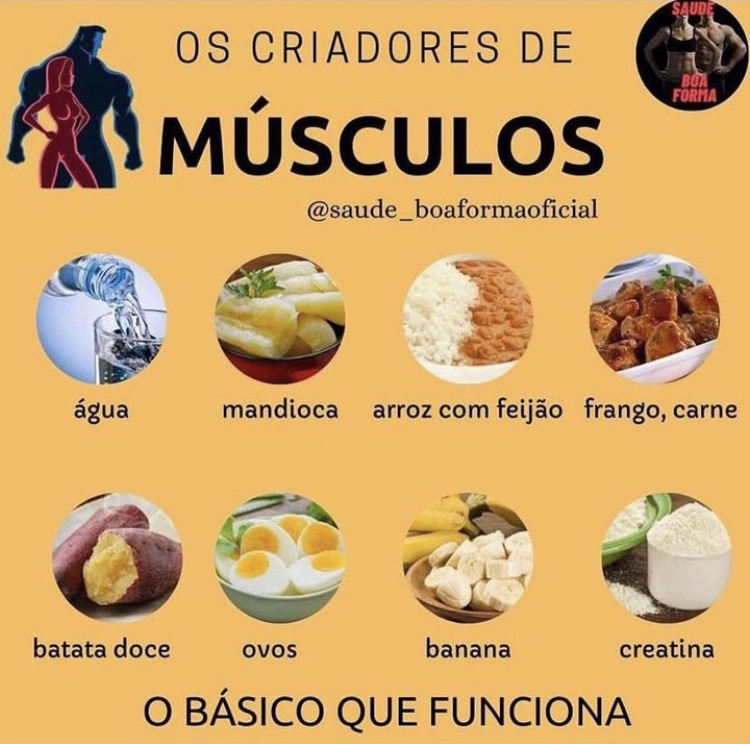



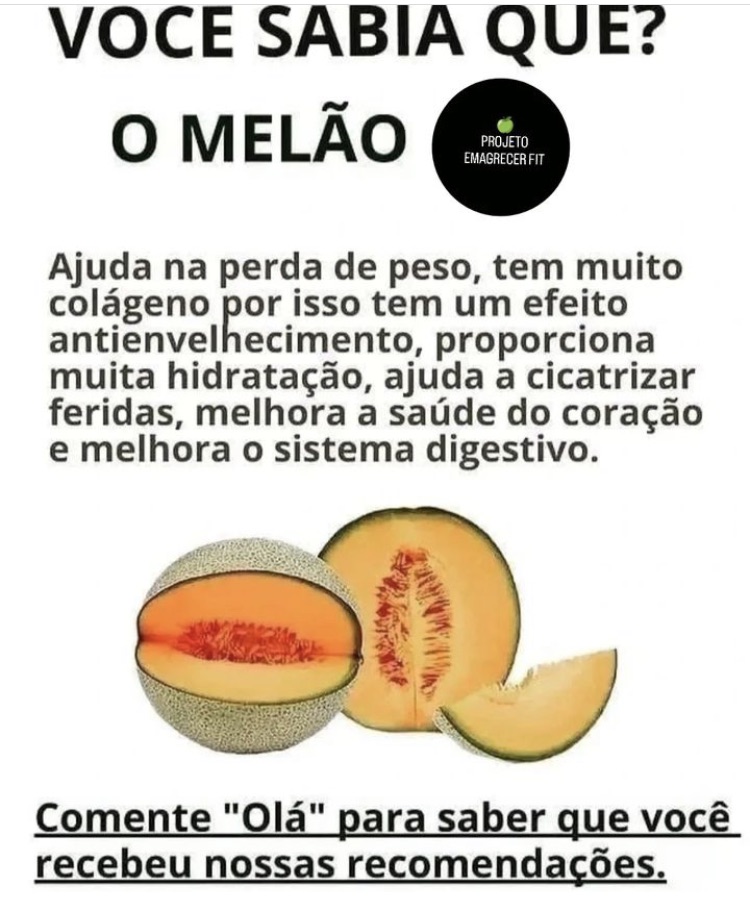
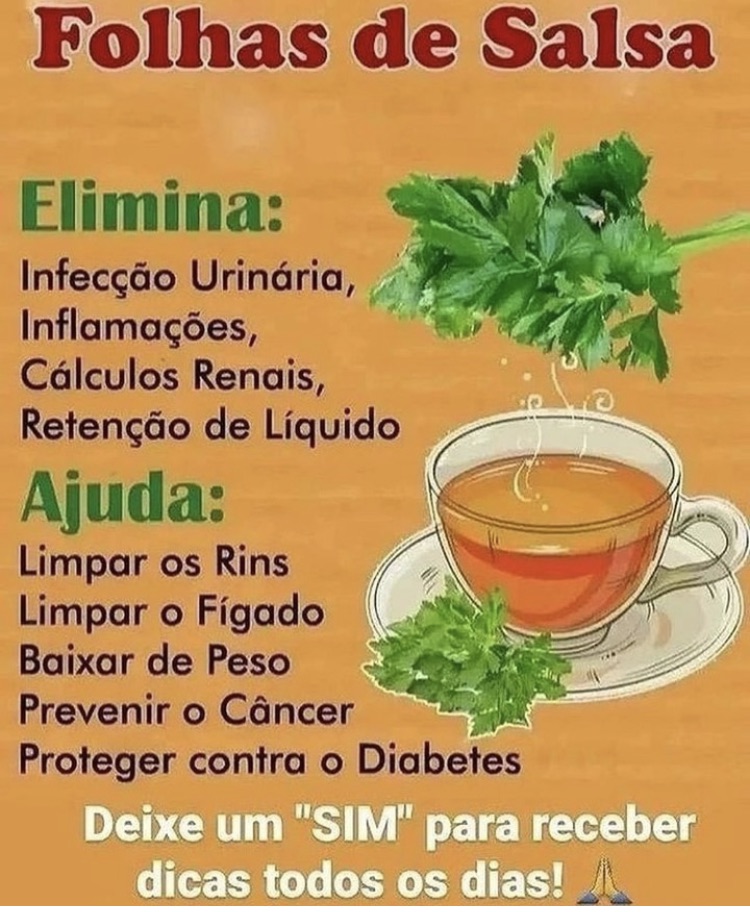
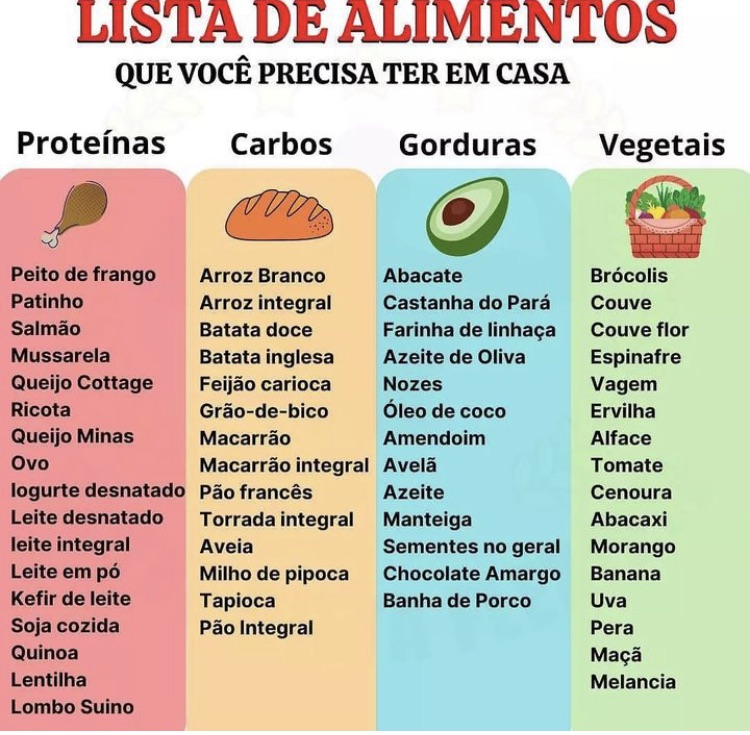

Alimentos ricos

Os alimentos ricos em vitaminas servem para manter a pele saudável, o cabelo bonito e o organismo equilibrado, evitando doenças, como anemias, escorbuto, pelagra e até problemas hormonais ou de desenvolvimento.

A melhor forma de ingerir vitaminas é através de uma alimentação colorida porque os alimentos não possuem apenas uma vitamina e esta variedade de nutrientes torna a alimentação mais equilibrada e saudável. Por isso, mesmo ao comer uma laranja, que é rica em Vitamina C, ingere-se também fibras, outras vitaminas e minerais.

Tipos de vitaminas

Exitem dois tipos de vitaminas: as lipossolúveis, como a vitamina A, D, E, K; que estão presentes, principalmente, em alimentos como leite, óleos de peixe, sementes e verduras, como brócolis, por exemplo.

E as outras vitaminas são as vitaminas hidrossolúveis, como as vitaminas do complexo B e a vitamina C, que se encontram em alimentos como fígado, levedo de cerveja e frutas cítricas, por exemplo.

Tabela de alimentos ricos em vitaminas

VitaminaA. Figado, leite, ovos.Integridade da pele e saúde dos olhos.

Vitamina B1 (Tiamina)Carne de porco, castanha-do-pará, aveia.Melhorar a digestão e é um repelente natural contra mosquito.

Vitamina B2 (Riboflavina)Fígado, levedo de cerveja, farelo de aveia.Saúde das unhas, cabelo e pele

Vitamina B3 (Niacina)Levedo de cerveja, fígado, amendoim.Saúde do sistema nervoso

Vitamina B5 (Ácido pantotênico)Massa fresca, fígado, sementes de girassol.

Vitamina B6 (Piridoxina)Fígado, banana, salmão.Prevenir a arterioscleroseBiotinaAmendoim, avelã, farelo de trigo.Metabolismo dos carboidratos e proteínas.

Ácido fólicoFígado, levedo de cerveja, lentilha.Participa da formação das células do sangue, prevenindo anemia e fortalecimento do sistema imunológico.

Vitamina B12 (Cobalamina)Fígado, mariscos, ostras.Formação dos glóbulos vermelhos do sangue e integridade da mucosa gastrointestinal.

Vitamina C Morango, kiwi, laranja.Fortalecer os vasos sanguíneos e acelerar a cicatrização de feridas e queimaduras.Vitamina DÓleo de fígado de bacalhau, óleo de salmão, ostras.Fortalecimento dos ossos

.Vitamina E Óleo de gérmen de trigo, sementes de girassol, avelã.Integridade da pele.

Vitamina K , Couve de Bruxelas, brócolis, couve-flor.Coagulação do sangue, diminuindo o tempo de sangramento de uma ferida.

More Widespread Than You Realize 

1 / 14 

Fatty liver could be the most common disease you’ve never heard of. At least 1 out of 4 people have it, which is more people than diabetes and arthritis combined. And lots of those who have it may not know they have it — or even what it is. Most times, this liver disease is mild, but it can lead to more serious health problems. Yet you can often control or reverse fatty liver with smart changes to your lifestyle

What Is It? 

2 / 14 

When too much fat builds up in your liver, that’s fatty liver disease. There are two basic types: nonalcoholic fatty liver disease (NAFLD) and alcoholic fatty liver disease, also called alcoholic steatohepatitis. Sometimes, the extra fat can trigger changes that stop your liver from working well. Since your liver filters toxins out of your blood, that could make you very sick.

Nonalcoholic Fatty Liver Disease 

3 / 14 

The most common type of fatty liver disease is usually harmless. But some people develop a more severe version called nonalcoholic steatohepatitis (NASH). That’s when your liver gets inflamed, which can lead to cirrhosis (scars on the liver that don’t heal) and a greater chance of liver cancer and heart disease. Experts think NASH is about to become the leading reason for liver transplants.

Who Does NAFLD Affect? 

4 / 14 

Experts don’t fully understand why some people get it and others don’t. But you’re more likely to if you’re overweight or obese; have diabetes, high cholesterol and triglycerides, high blood pressure, or hepatitis C and other liver infections; or take certain medications, including steroids or drugs for cancer or heart problems. Most people with this type of fatty liver are middle-aged. But the disease can happen to anyone, even kids.

Alcoholic Fatty Liver Disease 

5 / 14 

People who drink a lot — more than one drink a day for women and two for men — get this type. Being obese or a woman raises your chances, too. So can problems that you’re born with in your genes. This can be the first stage of more serious problems. If you keep drinking, you could go on to have alcoholic hepatitis, cirrhosis, liver failure, and higher odds of liver cancer.

Symptoms 

6 / 14 

Most of the time, there are none. That’s why so many people who have it don’t realize they do. But some people may feel pain or pressure in the middle or right side of their belly, or be very tired. And sometimes, fatty liver and related problems can make you lose your appetite and lose weight.

Diagnosis 

7 / 14 

Because it often has no symptoms, doctors can miss fatty liver disease. Typical lab tests may not catch it either.

Special blood tests can check how well your liver works. Your doctor may want to do an ultrasound or CT scan to see how your liver looks. You might need a biopsy: The doctor will use a needle to get a very small sample of your liver to check it for signs of disease.

Treatment 

8 / 14 

There are treatments for fatty liver disease that have varying success. They include vitamin E, liraglutide (Saxenda, Victoza), semaglutide (Ozempic, Rybelsus, Wegovy), and pioglitazone (Actos).

But you can make lifestyle changes to control the disease – or even make it go away.

Lose Weight 

9 / 14 

Obesity is the main cause of NAFLD. So if you’re heavy, talk with your doctor to come up with a plan to work off some weight based on healthy eating (with fewer calories) and being more active. A pound or two a week is good — lose too fast, and you can actually make fatty liver disease worse. Dropping just 3% to 5% of your body weight can help.

Exercise 

10 / 14 

Even if it’s hard for you to exercise enough to help you lose weight, moderate activity — brisk walking for 150 minutes every week — can get rid of some of the fat in your liver.

Don’t Drink 

11 / 14 

When you have alcoholic fatty liver disease, the most important thing to do is stop drinking. It may not be easy, but the benefits are big, especially if you catch it early — you may be able to completely reverse the damage. If you think you have a problem with alcohol, talk to your doctor.

Cutting out alcohol can help with nonalcoholic fatty liver disease, too.

Take Care of Your Health 

12 / 14 

Get treatment for related medical conditions, like diabetes and high cholesterol. Ask your doctor if you can stop taking medications that might cause fatty liver disease or switch to different ones. See your doctor (or a liver expert, called a hepatologist) regularly to keep on top of any changes you might need to make to your treatment plan over time.

Be Kind to Your Liver 

13 / 14 

You may need shots for hepatitis A, hepatitis B, the flu, and pneumococcal disease to protect your liver and keep you healthy. Also, tell your doctor before you start taking any new medicine, vitamin, or supplement. Even over-the-counter drugs can be hard on your liver.

Prevention 

14 / 14 

The same healthy habits that treat fatty liver can lower your chances of getting it. Exercise regularly. Eat a nutritious diet, with good-for-you fats and lots of veggies, fruits, and whole grains. Limit your alcohol. Work with your doctor to manage your health, and follow directions for any medication you take.

Here’s a nice bonus: These strategies also help you avoid other problems, like obesity, diabetes, and heart disease

Comidas com mais proteinas que o ovo

photo of salad with chickpeas

With about 6 grams of protein apiece, eggs are an excellent source of this vital nutrient. But lots of other foods offer as much or more. For example, chickpeas (also known as garbanzo beans) provide nearly 8 grams of protein per 1/2 cup. People have enjoyed them since the days of ancient Egypt. They’re best known these days as the base for hummus. Toss a handful on a salad, or cook them into a hearty soup.

photo of cottage cheese and diced peaches

This nutritious source of protein, with nearly 12 grams in a half-cup, plays well with others. That’s because it doesn’t have a strong flavor on its own. Make a healthy snack by pairing cottage cheese with most any kind of fruit. Or use it as a protein-boosting secret ingredient in pancakes. Go with low-fat cottage cheese to keep it healthy

photo of almond butter

This creamy spread isn’t as well-known as its peanutty cousin. But with 7 grams of protein in 2 tablespoons, it should be. With plenty of heart-healthy fats, it’s a great way to fuel up before a workout. You can even make it at home — all you need is almonds and a blender. Spice it up with cinnamon, nutmeg, vanilla extract, or curry powder if that’s how you roll

photo of cheddar cheese on cracker

This zingy cheese is loaded with protein — about 7 grams per ounce — as well as other nutrients like calcium, zinc, phosphorus, and vitamins A and B12. But keep your portions small or choose a lower-fat version. The fats found in dairy foods aren’t the heart-healthy type. Cheese can be high in salt, too.

lentil varieties

A half-cup of these legumes gives you 8 grams of protein, about as much as you’d get from 1 ounce of lean steak. They come in lots of colors — brown, green, black, yellow, red, and orange. They cook up faster than beans. And you don’t even need to soak them first. Try the brown ones in veggie burgers, the green ones in salads, and the red ones in a spicy curry

photo of oatmeal with pumpkin seeds

Don’t toss these after you carve the jack-o’-lantern. (An easier route is to buy the already roasted type at the store.) An ounce of shelled ones has 8 1/2 grams of protein. They’re also a good source of zinc, iron, copper, magnesium, potassium, and selenium. Eat a handful with an apple for a filling snack. Or stir them into oatmeal, granola, or homemade bread dough

photo of quinoa mexican bowl

This whole grain (actually an edible seed) packs about 7 1/2 grams of protein per cup. It’s a good source of fiber, too. Naturally gluten-free, quinoa is as easy to prepare as rice. Because it tastes rather bland on its own, add it to salads or grain bowls. You can also eat it as a hot cereal, or even pop it like popcorn.

photo of salmon jerky

Long known as a backpacking standby, jerky is dried, lean meat. One ounce can have up to 15 grams of protein. Many brands are high in salt, sugar, and additives like nitrate. But some new products are changing jerky’s reputation as junk food. You can find jerky made from turkey, salmon, and even elk and ostrich. Check the label for sodium, sugar, and chemicals. You can make your own as well.

21 Foods That Can Save Your Heart

21 alimentos que podem salvar seu coração

Fresh Herbs 

1 / 21 

When you add these to foods instead of salt and fat, you’re making a heart-healthy choice. They add flavor without the bad stuff. Spices and other foods are delicious ways to eat heart-smart.

Black Beans 

2 / 21 

Mild, tender black beans are packed with heart-healthy nutrients. Folate, antioxidants, and magnesium can help lower blood pressure. Their fiber helps control both cholesterol and blood sugar levels. Add beans to boost soups and salads.

Salmon: Super Food 

4 / 21 

A top food for heart health, it’s rich in omega-3s. Omega-3s are healthy fats that may lessen the risk of heart rhythm disorders and lower blood pressure. They may also lower triglycerides and curb inflammation. The American Heart Association recommends two servings of salmon or other oily fish a week.

Cooking Tip: Bake salmon in foil with herbs and veggies. Toss extra cooked salmon in fish tacos and salads.

Tuna for Omega-3s 

5 / 21 

Often cheaper than salmon, tuna also has omega-3s. Albacore (white tuna) has more omega-3s than other tuna varieties. Try grilling tuna steak with dill and lemon. Reel in these other sources of omega-3s, too: mackerel, herring, lake trout, sardines, and anchovies.

Health Tip: Choose tuna packed in water, not oil, to keep it heart-healthy.

Olive Oil 

6 / 21 

This oil is a healthy fat made from smashed olives. It’s rich in heart-healthy antioxidants. They may protect your blood vessels. When olive oil replaces saturated fat (like butter), it can help lower cholesterol levels. Try it on salads and cooked veggies, or with bread.

Taste tip: For the best flavor, look for cold-pressed and use it within 6 months.

Walnuts 

7 / 21 

A small handful of walnuts a day may lower your cholesterol. It may also protect against inflammation in your heart’s arteries. Walnuts are packed with omega-3s, healthy fats called monounsaturated fats, plant sterols, and fiber. The benefits come when walnuts replace bad fats, like those in chips and cookies.

Tip: Try walnut oil in salad dressings.

Almonds 

8 / 21 

Slivered almonds go well with vegetables, fish, chicken, and desserts. They have  plant sterols, fiber, and heart-healthy fats. Almonds may help lower “bad” LDL cholesterol. Grab a small handful a day.

Taste Tip: Toast them to boost their creamy, mild flavor

Edamame 

9 / 21 

You may have seen these as an appetizer at an Asian restaurant. Edamame is the Japanese word for soybeans. Soy protein can help lower cholesterol  levels. A cup of edamame also has 8 grams of heart-healthy fiber. To get that much fiber from whole wheat bread, you’d need to eat about four slices.

Tip: Take frozen edamame, boil it, and then serve warm in the pod. Popping out the yummy beans from the tough pod makes a satisfying snack

Tofu 

10 / 21 

Eat tofu and you’ll get a great form of vegetarian soy protein with heart-healthy minerals, fiber, and polyunsaturated fats. It can take on the taste of the spices or sauces you use to cook it.

Tips: Chop firm tofu, marinate, then grill or stir-fry, going easy on the oil. Add tofu to soups for protein with little added fat.

Sweet Potatoes 

11 / 21 

Swap white potatoes for sweet potatoes. With a lower glycemic index than white potatoes, these spuds won’t cause a quick spike in blood sugar. They also have fiber, vitamin A, and lycopene.

Taste Tip: Boost their natural sweetness with a sprinkle of cinnamon and lime juice instead of sugary toppings.

Oranges 

12 / 21 

Sweet and juicy, oranges have the cholesterol-fighting fiber pectin. They also have potassium, which helps control blood pressure. In one study, 2 cups of OJ a day boosted blood vessel health. It also lowered blood pressure in men.

Nutrition Tip: A medium orange has about 62 calories and 3 grams of fiber.

Swiss Chard 

13 / 21 

This dark green, leafy vegetable is rich in potassium and magnesium. These minerals help control blood pressure. Swiss chard also has heart-healthy fiber, vitamin A, and the antioxidants lutein and zeaxanthin. Try serving it with grilled meats or as a bed for fish.

Prep Tip: Sauté it with olive oil and garlic until wilted. Season with herbs and pepper.

Barley 

14 / 21 

Try this nutty whole grain in place of rice. You can also simmer barley into soups and stews. The fiber in barley can help lower cholesterol levels. It may lower blood sugar levels, too.

Tip: Get to know your barley. Hulled or “whole grain” barley is the most nutritious. Barley grits are toasted and ground. They make a nice cereal or as a side dish. Pearl barley is quick, but a lot of the heart-healthy fiber has been removed.

Flaxseed 

16 / 21 

This shiny, honey-colored seed has three things that are good for your heart: fiber, phytochemicals called lignans, and omega-3 fatty acids.

Tip: Grind flaxseed for the best nutrition. Add it to cereal, baked goods, yogurt, or mustard on a sandwich.

Low-Fat Yogurt 

17 / 21 

When you think of dairy foods, you probably think, “Good for my bones!” These foods can help control high blood pressure, too. Yogurt is high in calcium and potassium. To really boost the calcium and minimize the fat, choose low-fat varieties.

Cherries 

19 / 21 

Sweet cherries, sour cherries, dried cherries, and cherry juice — they’re all good. All are packed with an antioxidants called anthocyanins. They’re believed to help protect blood vessels.

Get More: Sprinkle dried cherries into cereal, muffin batter, green salads, and wild rice.

Blueberries 

20 / 21 

Blueberries are simply brilliant when it comes to nutrition. They’ve got anthocyanins, those blood vessel-helping antioxidants. Those antioxidants give the berries their dark blue color. Blueberries also have fiber and more than a handful of other great nutrients. Add fresh or dried blueberries to cereal, pancakes, or yogurt.

Dessert Idea: Puree a batch for a sweet sauce you can use as a dip or to drizzle on other sweet treats.

Dark Leafy Greens 

21 / 21 

Your parents were onto something when they told you to eat your greens. They’re full of vitamins and minerals. They’re also high in nitrates, a substance that helps to open blood vessels so oxygen-rich blood can reach your heart. You’ll find them in veggies like:

Resveratrol

40 mg per day

Perdendo peso – Dica

photo of egg and hot sauce

The heat in spicy chili peppers may help you lose weight. Regularly eating capsaicinoids, the hot chemical in chili peppers, can reduce body fat, curb your appetite, and even boost your metabolism, so you burn more fat all day. Spice up your morning omelet with diced hot peppers or add a dash or two of hot sauce.

photo of mature man sleeping in bed

Too little sleep each night can fuel your appetite all day long, which can lead to weight gain. You may also be more likely to skip your workout if you’re pooped. Make sure you’re catching enough ZZZs every night. Stick to a regular bedtime, and find ways to control your stress so you can relax and snooze until it’s time to get up

Morning Habits to Help You Lose Weight

photo of woman's feet on weight scale

Weighing yourself first thing in the morning after you pee is more accurate than checking later in the day. What you eat and drink later on can change the results. That visual reminder of your weight each morning can help you stick to your healthy eating plan the rest of the day or week.

photo of woman drinking water

One or two glasses of plain H2O before you eat breakfast may help you lose weight. Water has no calories, but it’s satisfying and curbs your appetite, so you may not want to eat such a big breakfast afterward. It also stimulates your metabolism to help you burn calories.

photo of man taking morning jog

Do some moderate exercise before you sit down to eat in the mornings. Working out on an empty stomach actually helps you get better results from exercise. Prebreakfast sweat sessions can help you burn more of your body’s fat for fuel.

photo of peanut butter banana smoothie

This nutrient may help you lose weight because it makes you feel fuller longer after you eat. It’s also harder for your body to store it as excess fat. Another perk of protein: Your body uses more calories to break it down than it uses for carbs or fat. Go for protein-rich breakfasts, such as an egg and turkey sausage on whole wheat toast or a Greek yogurt smoothie with peanut butter and berries.

photo of woman making meal plan

Every morning, write up a quick list of what you’ll eat that day. Planning meals ahead of time can help you choose lower-calorie foods. If you’ve already decided what to eat for your day’s snacks and meals, you may be less likely to reach for high-calorie convenience foods like fast-food burgers or fries.

photo of woman enjoying morning sun

Some sunlight on your skin can actually help you burn a little bit more body fat. Research shows that people who soak up a few rays in the morning tend to have a lower body-mass index (BMI), or a leaner, slimmer physique, than people who step out in the sun later in the day.

photo of measuring cups and spoons

It’s easy to supersize portions that pack more calories than you need without even knowing it. Keep measuring cups and spoons where you typically dish out breakfast. Measure foods like cereal or milk before you place them in the bowl so you serve yourself the right amount.

photo of man enjoying mindful breakfast

Slow down and think about what you’re eating. Appreciate the smell, look, and taste of even a simple breakfast. Don’t watch TV or scroll through social media when you eat in the morning: just breathe, relax, and enjoy a peaceful meal. This practice could help you eat less and lose weight.

photo of glass of orange juice on countertop

Most standard drinking glasses are far larger than a serving of juice. That makes it easy to consume more than you should. And many fruit juices have as much sugar in them as a can of soda. But they also have lots of vitamins and minerals that are great for you as you start your day. To pour a more sensible portion, use a small juice glass.

photo of mature woman drinking coffee

Do you have your dessert in your coffee cup each morning? Specialty coffees with lots of added sugar, cream, or flavored syrups can add up to more than 500 calories each. Use skim milk or sugar-free flavors instead. Or try green tea for a morning jolt. It has catechins, nutrients that may promote weight loss.

FERRO – como conseguir

O ferro é um mineral importante para formação de células sanguíneas e ajuda no transporte do oxigênio. Assim, quando existe uma carência de ferro, a pessoa apresenta sintomas como cansaço, fraqueza, falta de energia e dificuldade de concentração. 

Este mineral é importante em todas as fases da vida e deve ser consumido com frequência, mas é preciso aumentar seu consumo durante a gravidez e na terceira idade, momentos em que existe uma maior necessidade maior de ferro no organismo. Bons exemplos de alimentos ricos em ferro, são as carnes vermelhas, o feijão preto, e o pão de cevada, por exemplo.

O ferro presente nos alimentos de fonte animal, apresentam uma absorção de ferro ao nível intestinal entre 20 a 30% do total do mineral ingerido. Enquanto que o ferro presente nos alimentos de origem vegetal permitem uma absorção em torno de 5% do total de ferro que possuem em sua composição. Por esse motivo é importante consumir-los junto aos alimentos ricos em vitamina C, como laranja, abacaxi, morangos e pimentão, porque favorece a absorção deste mineral ao nível intestinal.

Existem 2 tipos de ferro, o ferro heme: presente na carne vermelha, e o ferro não-heme presente nos vegetais. O ferro presente nas carnes é melhor absorvido, enquanto que o ferro dos vegetais precisa do consumo de uma fonte de vitamina C para ter uma melhor absorção.

Principais alimentos ricos em ferro

A tabela a seguir indica a quantidade de ferro em 100 gramas de alimentos de origem vegetal:AlimentoQuantidade de ferro (em 100g)Sementes de abóbora14,9 mgPistacho6,8 mgCacau em pó5,8 mgDamasco seco5,8 mgTofu5,4 mgSementes de girassol5,1 mgUva passa4,8 mgCoco seco3,6 mgNoz2,6 mgFeijão branco cozido 2,5 mgEspinafres crús2,4 mgAmendoim2,2 mgGrão-de-bico cozido2,1 mg

Feijão preto cozido1,5 mg

Como baixar os triglicerídeos?

Why Triglycerides Matter

2 / 16 

High triglycerides can be part of an unhealthy condition called metabolic syndrome. Other parts of this illness can include:

  • Low HDL “good” cholesterol
  • High blood pressure
  • Belly fat
  • High blood sugar

Metabolic syndrome greatly increases your chances of developing heart disease, stroke, and diabetes.

When Triglycerides Inch Up

1 / 16 

Maybe you’ve put on a few extra pounds. Now your yearly blood work comes back showing high triglycerides. These fats are an important source of energy in your body, but at high levels they can hurt your heart. Like cholesterol, triglyceride troubles can lead to clogged arteries and possibly to a heart attack or stroke. Luckily, there are many ways to lower your triglycerides.

Look at How You Eat

3 / 16 

That creamy latte, grilled cheese sandwich, or scoop of ice cream before bed can all lead to high triglycerides. If you often eat more calories than you burn – like many of us do – your triglycerides may start to inch up. The worst offenders are sugary foods and foods high in saturated fat, like cheese, whole milk, and red meat.

Say No to Sugar

4 / 16 

If you have high triglycerides, get your sweet tooth in check. Simple sugars, especially fructose (a sugar often found in fruit), raise triglycerides. Watch out for foods made with added sugar, including soda, baked goodies, candy, most breakfast cereals, flavored yogurt, and ice cream.

Uncover Hidden Sugar

5 / 16 

Learn to spot added sugars on food labels. Words to look for include brown sugar, corn syrup, words ending in “ose” (dextrose, fructose, glucose, lactose, maltose, sucrose), fruit juice concentrates, cane syrup, cane sugar, honey, malt sugar, molasses, and raw sugar.

Focus on Fiber

6 / 16 

Swap out foods made with refined white flour, and bring on the whole grains. You’ll eat more fiber, which helps lower your triglycerides. For breakfast, have a bowl of steel-cut oats with berries instead of a bagel or sweet cereal. At lunchtime, try a salad loaded with veggies and garbanzo beans. Choose brown rice or quinoa at dinner instead of potatoes or pasta

Eat the Right Fat

7 / 16 

A little fat is good for you, when it’s the healthy kind. Choose foods that naturally contain mono- and polyunsaturated fats: avocados, walnuts, chicken without the skin, canola oil, and olive oil. Avoid trans fats, which are found in many processed foods, French fries, crackers, cakes, chips, and stick margarine. Don’t eat much saturated fat, found in red meat, ice cream, cheese, and buttery baked goods.

Choose Fish Instead of Red Meat

8 / 16 

The same omega-3 fats that are good for your heart can help lower your triglycerides, too. Next time you eat out, get the fish instead of a burger or steak. Eat fish at least twice a week. Salmon, mackerel, herring, lake trout, albacore tuna, and sardines are all high in omega-3s.

Eat Your Nuts and Greens

9 / 16 

Other good sources of omega-3s:

  • Walnuts
  • Flaxseeds
  • Spinach
  • Kale
  • Brussels sprouts
  • Salad greens
  • Beans

Do You Need an Omega-3 Supplement?

10 / 16 

Ask your doctor. Capsules can give you a concentrated amount of omega-3s, but not everyone needs them. You may be able to lower triglycerides by making healthier choices in your life. And high doses of omega-3s can cause bleeding in some people. If your doctor says it’s OK, look for capsules with EPA and DHA, two powerful types of omega-3

Skip the Sweet Drinks

12 / 16 

One of the easiest things you can do to lower your triglycerides is to cut out sweetened drinks. Sodas and other sugary drinks are packed with fructose, a known offender when it comes to boosting triglycerides. Drink no more than 36 ounces of sweet sippers per week — that means three 12-ounce cans of soda

Lose Weight

13 / 16 

Extra weight, particularly around your waist, raises triglycerides. One of the biggest things you can do to bring your levels down is to take it off. It doesn’t have to be dramatic, either

Get Moving

14 / 16 

If you’re carrying around a few extra pounds, starting regular workouts can get you in shape and lower your triglycerides at the same time. Aim for 30 minutes of exercise five days a week, and be sure to break a sweat and get your heart pumping. You can cut your triglycerides by 20% to 30%. If you’re new to exercise, try a dance class, go for a swim, or take a brisk walk each day.

Get a Checkup

15 / 16 

A simple blood test can spot high triglycerides. Your doctor may also look for related health problems. These include kidney disease, a slow thyroid gland, diabetes, and obesity.  Here’s how triglyceride test numbers stack up:

  • Normal – Less than 150 mg/dL
  • Borderline – 150-199 mg/dL
  • High – 200-499 mg/dL
  • Very high – 500mg/dL and up [1

When Habits Need a Helping Hand

16 / 16 

If lifestyle changes haven’t helped enough, your doctor may suggest adding a prescription medicine. Fibrates, niacin, statins, and high-dose fish oil are a few of the options. Your doctor will look at all your blood fats — triglycerides and all types of cholesterol — to decide the best way to protect your heart

Algumas dicas para aliviar a dor com analgésicos naturais

1. Chá de gengibre

11 remédios caseiros para artrite reumatóide e como fazer

O gengibre, cientificamente chamado de Zingiber officinalis, possui compostos fenólicos como o gingerol, chogaol e zingerona que têm propriedades antioxidantes, anti-inflamatórias e imunomoduladoras, sendo muito úteis para aliviar os sintomas como dor, inchaço e vermelhidão nas articulações. Conheça outros benefícios do gengibre.

Ingredientes

  • 1 cm da raiz de gengibre cortada em rodela ou ralada;
  • 1 litro de água fervente.

2. Chá de salgueiro branco

11 remédios caseiros para artrite reumatóide e como fazer

O salgueiro branco, conhecido cientificamente como Salix alba, tem propriedades analgésicas e anti-inflamatórias devido à presença de salicina, que é uma substância semelhante ao ingrediente principal da aspirina. Por isso, o chá da casca desta planta pode ser uma boa opção para aliviar a dor na articulação causada pela artrite reumatóide.

Ingredientes

  • 2 colher (de chá) de cascas de salgueiro branco;
  • 2 xícaras de água.

Modo de preparo

Colocar a água para ferver e adicionar a casca de salgueiro. Deixar ferver por 10 minutos, coar e beber até 2 xícaras por dia.

Este chá não deve ser consumido por crianças, por mulheres grávidas ou em amamentação, por pessoas que têm alergia à aspirina ou que estejam usando anticoagulantes. Além disso, o uso do chá de casca de salgueiro branco não é indicado para pessoas com problemas gastrointestinais, como úlceras, gastrite, refluxo gastroesofágico, colite ou diverticulite.

3. Chá de cúrcuma

11 remédios caseiros para artrite reumatóide e como fazer

O chá de cúrcuma, também chamado de açafrão, é rico em curcumina, uma substância com propriedades anti-inflamatórias, imunomoduladoras, e protetoras das cartilagens, que age diminuindo os sintomas de dor, inchaço, vermelhidão, além de diminuir a destruição do revestimento das articulações pelo sistema imunológico e aumentar a proteção das cartilagens das articulações, sendo um ótimo remédio caseiro para artrite reumatóide.

Ingredientes

  • 1 colher rasa (de chá) de cúrcuma em pó (200 mg);
  • 1 xícara de água.

Modo de preparo

Colocar a água para ferver e adicionar cúrcuma. Deixar ferver por 5 a 10 minutos. Coar o chá e beber. Pode-se beber de 2 a 3 xícaras de chá de cúrcuma por dia.

Outra opção é consumir a cúrcuma na forma de cápsulas, que pode ser usada tomando 2 cápsulas de 250 mg a cada 12 horas, totalizando 1 g por dia.

4. Chá de alcaçuz

11 remédios caseiros para artrite reumatóide e como fazer

O chá alcaçuz possui glicirrizina e ácido glicirretínico na sua composição, que são substâncias anti-inflamatórias, que agem reduzindo a inflamação das articulações e os sintomas como dor, inchaço, sensibilidade e vermelhidão, sendo uma ótima opção de remédio caseiro para artrite reumatoide.

Ingredientes

  • 1 colher de chá de raiz de alcaçuz;
  • 1 xícara de água fervente;
  • Mel para adoçar a gosto.

Modo de preparo

Adicionar o alcaçuz na xícara com água fervente, tampar e deixar repousar por 10 minutos. Coar e adoçar com mel se desejar. Beber este chá até 2 vezes ao dia.

O chá de alcaçuz não deve ser consumido por mulheres grávidas ou em amamentação e por pessoas com problemas cardíacos.

5. Chá de unha de gato

11 remédios caseiros para artrite reumatóide e como fazer

O chá de unha de gato possui propriedades anti-inflamatórias que ajudam a reduzir a dor e o inchaço nas articulações, além de regular o sistema imunológico, sendo outra boa opção de remédio caseiro para artrite reumatóide.

Este chá é ótimo contra artrite reumatoide porque regula a ativação do sistema imunológico.

Ingredientes

  • 20g de cascas e raízes de unha de gato;
  • 1 litro de água.