12 Habits of Super-Healthy People

It’s important for a bunch of reasons. It jump-starts your metabolism and stops you from overeating later. Plus, studies show that adults who have a healthy breakfast do better at work, and kids who eat a morning meal score higher on tests. If a big plateful first thing isn’t for you, keep it light with a granola bar or a piece of fruit. Just don’t skip it.

Plan your meals

It’ll help you save time and money in the long run. Block out some time, then sit down and consider your goals and needs. Do you want to lose weight? Cut back on sugar, fat, or carbs? Add protein or vitamins? Meal prep keeps you in control. You know what you’re eating and when. A bonus: It’ll be that much easier to skip those doughnuts in the breakroom at work.

Se mantenha hidratada

It can do so many good things for you. Staying hydrated is at the top of the list, but it may also help you lose weight. Another reason to go for H2O? Sugary drinks are linked to obesity and type 2 diabetes. If you aren’t a fan of plain water, add flavor with slices of orange, lemon, lime, watermelon, or cucumber.
D3

Related: Slow Wound Healing

3 / 13 

Wounds don’t seem to heal as fast in people with low levels of vitamin D. That’s particularly true for people with burns.

Research is ongoing to see if vitamin D supplements can help people recover faster from burns and other wounds.

D3

Why Might You Need More Vitamin D?

2 / 13 

Maybe because your body doesn’t:

  • Get enough sunshine
  • Get enough from food, especially if you’re vegan or can’t eat dairy
  • Absorb vitamin D as well as it should, or it gets rid of it too quickly

Black people in the U.S. typically have lower levels of vitamin D than their white peers, as darker skin has natural sun protection and needs longer sun exposure to make the vitamin. But they are relatively less affected by lack of vitamin D, as measured by weak bones, falls, and fractures.

O que comer para aumentar seu tempo de vida

Todos os animais sabem já o que comer, exceto o homem.

Free radicals are molecules that can damage healthy cells. They can make you more likely to get certain diseases, like cancer, and speed up aging. Foods rich in antioxidants can help fight those molecules. Colorful vegetables and fruits are packed with them, so aim for five to nine servings of those each day.

These are a great source of antioxidants and may help prevent cancer and some brain diseases. Frozen berries have them, too. Check out the grocery store’s freezer case and enjoy them year-round.

It’s been called “brain food” because its fatty acids, DHA and EPA, can help your brain and nervous system work the way they should. Eating fish one or two times a week may also make you less likely to have dementia. Omega-3 fats found in fatty fish, like salmon and trout, can lower “bad” cholesterol and triglycerides. It can also help ease the inflammation that leads to atherosclerosis, when fatty deposits clog your arteries.

Add these nutritional powerhouses to your diet three or four times a week. The fiber may help with digestion and help lower your chances of obesity, heart disease, and diabetes. And because they make you feel full longer, a diet high in fiber may help you lose weight, too. Top a salad with chickpeas, or use beans in place of meat in soups.

Obese? Lose Lots of Weight, Watch Your Heart Risks Drop

By Steven Reinberg
HealthDay Reporter

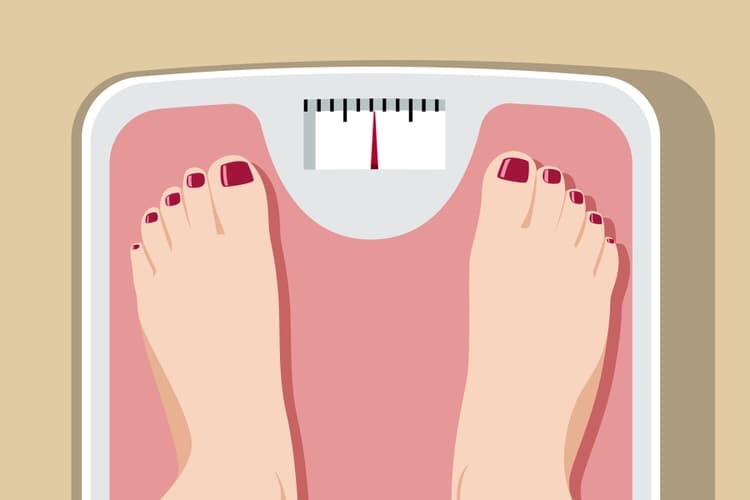
THURSDAY, Sept. 30, 2021 (HealthDay News) — It’s no secret that excess weight is bad for the heart. But a new study suggests that obesepeople who lose a substantial amount of weight may reverse the related cardiovascular risks.

Researchers found the odds for high blood pressure and elevated cholesterol were similar in formerly obese Americans who were now at a healthy weight and people who had always had a healthy weight. 

Diabetes risk — another common companion of obesity — improved, too. However, while the risk was lessened with weight loss, it was still high in people who had been obese, investigators said.