
Você pode fazer isso . Acredite!
Trata se de um site que pode te preparar para o futuro. São idéias e dicas em diferentes áreas de sua vida: Física, Espiritual, Educacional, Profissional, Social e Comunitária. O objetivo é tornar sua vida alinhada com seu verdadeiro propósito de estar vivendo nesse planeta, conforme o Plano do Criador.
Você pode fazer isso . Acredite!
3 / 12
The hardships caused by the pandemic can be even tougher to deal with if you feel isolated because of social distancing. If you feel sad, hopeless, or cranky a lot of the time, it’s important to connect with friends or family and talk about how you’re feeling. If you feel down for several days, or you have thoughts of hurting yourself, reach out to your doctor or a mental health hotline for help.

2 / 12
Many aspects of the pandemic can make you more anxious or worried than usual. If you have trouble sleeping or notice changes in your appetite or energy, it’s a good idea to take breaks from the news and social media and find time for hobbies and exercise, even if it’s just doing some stretching or taking a daily walk.



I am just overwhelmed with the Lord’s goodness and His trust that He has in you and me. We are all ordinary members of the Church. None of us are superstars. We are just God’s children trying to do the right thing for the right reason. We are trying to raise our families the right way so they will love the Lord and want to strive to keep His commandments. In the process, we have some wonderful, choice privileges and opportunities.
When our final judgment comes, it won’t be the number of meetings we attend, the number of meetings we conducted, or all the visits we made. Instead, the Lord will be deeply appreciative of those seeking and helping others along the covenant path.
Jesus Christ is our brother and our best friend. He loves us and has shown us the way. The things you and I need to find happiness are contained in striving to keep His commandments and striving to be like Him as much as we can. Each day is an opportunity to touch a life, to reach out to someone who needs you and offer a word of encouragement.

Research shows that the vaccines remain effective at preventing severe COVID-19, according to the group, which includes two high-level officials in the FDA who recently announced plans to leave the agency. Their opinion was published in the influential journalThe Lancet.
Saúde Emocional – Autossuficiência Brasil
— Read on autossuficiencia.org.br/saude-emocional/
Isso vai ser muito bom .
Fortaleça sua área emocional

As vezes penso que as belezas que o Pai deixou para nós foram para nós lembrar de sermos felizes!
Ele decorou a terra para ser um ambiente mais ameno e agradável para nós. Colocou flores , que refletem sua personalidade e bom gosto!
Boa parte das dietas apresenta deficiência de ômega-3, e diante da importância do nutriente para a saúde, a suplementação é uma estratégia para reforçar os níveis dos ácidos graxos no organismo.
Ainda, o óleo de peixe é a fonte de suplementação de ômega-3 mais conhecida e um dos suplementos alimentares mais consumidos no Brasil. Semelhantemente, mas não tão popular quanto o óleo de peixe, o óleo de krill também é uma excelente fonte de ômega-3.
Neste post, descubra qual é a diferença entre óleo de krill e ômega-3 derivado do óleo de peixe, saiba se é possível suplementar os dois e acompanhe a comparação entre eles.

A grande maioria dos suplementos encontrados como ômega-3 nas prateleiras de farmácias e lojas são feitos com óleo de peixe. Entretanto, o que muitas pessoas não sabem é que nem todo peixe é rico em ômega-3. Isso acontece porque a concentração varia de acordo com a temperatura da água. Assim, os peixes de ambientes frios acumulam mais gorduras e, consequentemente, mais ômega-3.
Vale destacar que estudos apontaram que os peixes encontrados no litoral brasileiro e no salmão importado e criado em cativeiro apresentam baixas concentrações de ômega-3.
Por isso, peixes de águas marinhas e mais próximas dos polos são os mais ricos nos ácidos graxos ômega-3.
O suplemento é feito com óleo de peixes ricos em ômega-3 que contém na sua composição os ácidos graxos eicosapentaenoico (EPA) e docosahexaenoico (DHA). Esses ácidos graxos garantem benefícios para muitas funcionalidades do corpo.
Como destaque, a forma como o óleo de peixe está disponível no suplemento deve ser observada para um efeito ainda maior. Quando o óleo de peixe está na forma de triglicerídeos (TG), a sua absorção pode ser até 30% maior quando comparamos com a versão etil-éster (EE).
Não esqueça que uma boa concentração de ômega-3 não está presente em qualquer peixe: por isso, sempre verifique as informações de origem do óleo junto ao fabricante do suplemento.
Além da concentração, é essencial verificar a pureza e a qualidade do óleo. Muitos peixes estão expostos a ambientes ricos em metais pesados e contaminantes. Diante disso, é interessante verificar se o suplemento apresenta certificação que assegure a sua pureza.
O suplemento de óleo de peixe, conhecido popularmente como ômega-3, pode ser consumido por crianças, adultos, idosos, gestantes e praticantes de atividades físicas.
Além disso, o consumo deve ser feito de acordo com a indicação de médicos e nutricionistas. Ainda, é recomendado que seja feito com as principais refeições.
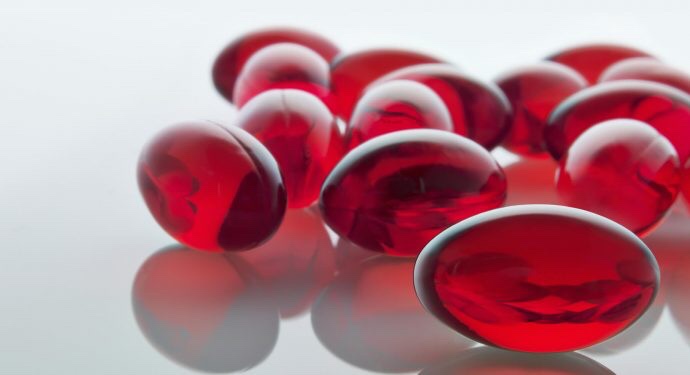
Você já ouviu falar sobre o krill? Assim como os peixes ricos em ômega-3, o krill vive em águas frias e é um pequeno crustáceo. Esse incrível animal de coloração avermelhada tem um papel importante na cadeia evolutiva das baleias, considerado um alimento rico para elas.
Contudo, já se sabe que o krill é uma fonte de nutrientes importantes não apenas para o ecossistema marinho, mas também para o nosso corpo.
O óleo extraído do krill é composto com os ácidos graxos EPA e DHA e, por isso, pode ser recomendado como uma opção para suplementar ômega-3. Além disso, apresenta naturalmente astaxantina na sua composição. Esse importante carotenoide é responsável pelo seu pigmento avermelhado e apresenta efeitos antioxidantes.
Somado a essas características, o óleo de krill também conta com fosfolipídios, os quais facilitam ainda mais a absorção do ômega-3 no organismo, principalmente nas células cerebrais. A colina também está presente, nutriente que apresenta efeitos benéficos para o cérebro, fígado e na recuperação muscular.
Da mesma forma que a procedência do peixe é fundamental para ter acesso aos benefícios do ômega-3, o óleo de krill também precisa de averiguações.
É importante saber se o óleo oferecido no suplemento é extraído do krill que vive naturalmente em águas limpas (como as da Antártida), respeitando o ciclo natural de vida desse crustáceo.
Outro ponto importante é que esse óleo seja livre de etoxiquina, uma substância química muitas vezes adicionada ao óleo como um conservante e também presente na ração de animais. Essa substância já é proibida em alguns países pela falta de segurança do seu consumo.
Assim, fica uma dica importante: para escolher um suplemento de óleo de krill, é primordial verificar se a matéria-prima tem procedência confiável e processos de extração que garantem a pureza.
Assim como o óleo de peixe, o suplemento de óleo de krill pode ser consumido pela maioria das pessoas de acordo com as orientações dos profissionais de saúde. De forma geral, a recomendação é de duas a quatro cápsulas ao dia com as principais refeições.
Sem dúvidas, os dois suplementos são ricos em nutrientes importantes para a saúde e para que o organismo funcione em equilíbrio. Porém, há diferenças entre eles que merecem ser destacadas:

 Preparando